
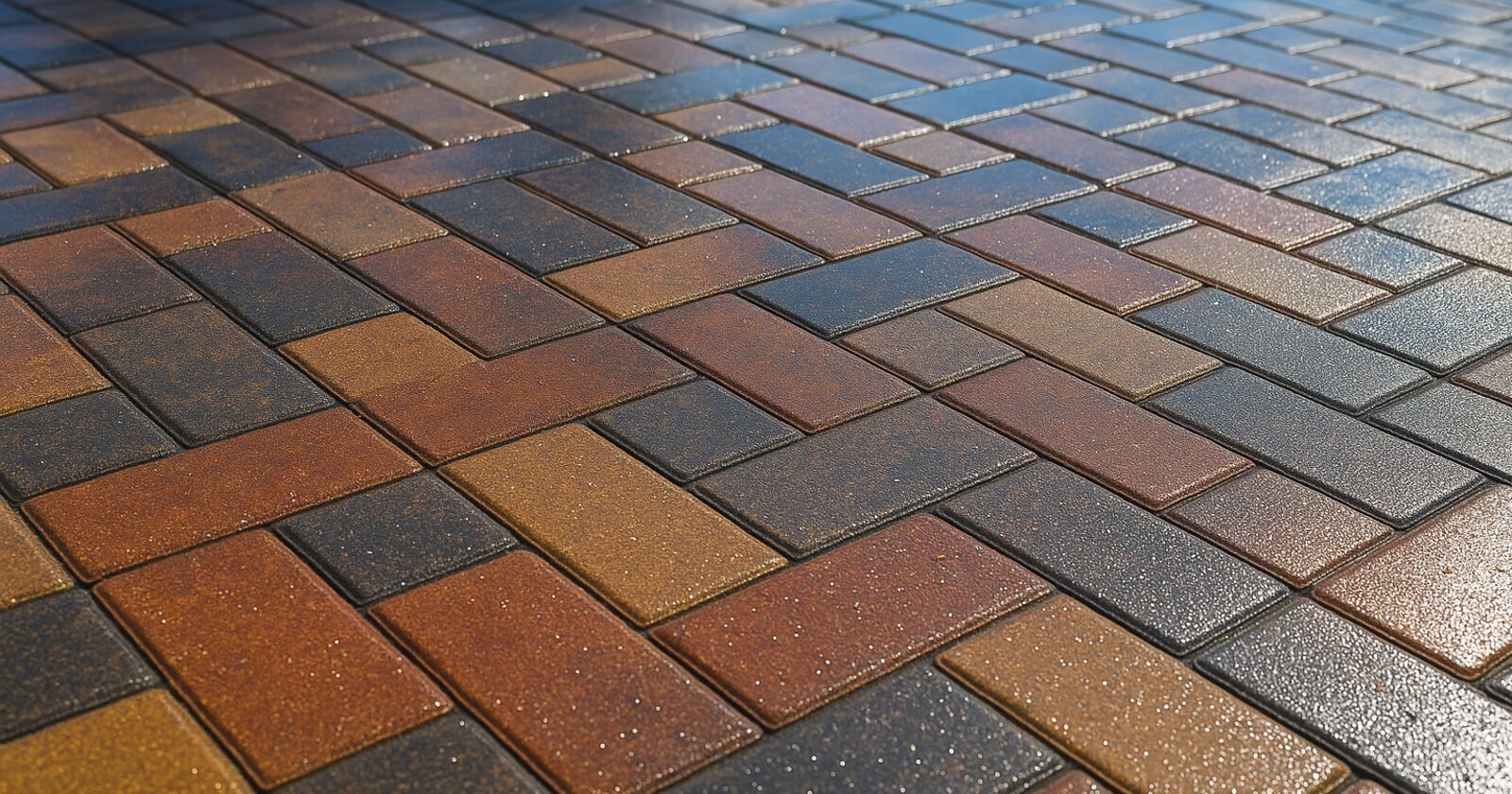
Pavers in our climate go green and gray within a year if they're left alone. Rushing at them with a pressure washer, though, drives the joint sand out and etches the surface. We clean pavers the right way, with the correct pressure, surface cleaners, and treatments to lift mold, algae, rust, leaf tannin, and grime while protecting the joints and the paver face. It's the essential first step before any sealing, and it's a great standalone service to keep your hardscape looking sharp between seal cycles.
Professional Paver and Travertine Cleaning in Sarasota and Manatee County
Here on the Suncoast, a paver patio, pool deck, or driveway takes a beating that homeowners in cooler, drier climates never have to think about. Our heat, our humidity, our summer rains, and our salt-tinged Gulf air combine to turn a clean, crisp surface into something green, gray, and slick faster than most people expect. If your pavers or travertine have started to look dingy, blotchy, or stained, the surface is not worn out - it is dirty in ways a garden hose will never touch. Professional cleaning is the essential first step in bringing that surface back, and it is the single most important thing you can do before any sealing work begins. We also offer cleaning entirely on its own, for the many homeowners across Sarasota and Manatee County who simply want their hardscape looking right again.
What our Gulf-coast climate grows on your pavers
The stains and growth we see on Suncoast pavers are almost always a story about moisture and shade. Green algae is the most common culprit, thriving anywhere that stays damp - the north side of the house, under a screen enclosure, along the shaded edge of a pool deck, or in the low spots where water lingers after an afternoon storm. It starts as a faint tint and becomes a slick green film that is genuinely dangerous underfoot. Right alongside it we find black mold and mildew, those dark spots and streaks that many people mistake for permanent staining or a change in the paver color. They are not permanent. They are living growth feeding on the fine organic film that settles on every outdoor surface here.
Then there are the stains that come from the landscape itself. Leaf litter, oak tannins, live oak and magnolia debris, and the constant drop of organic material leave brown and rust-colored tannin stains, especially where wet leaves sit for days. Irrigation is another quiet offender. Well water and sprinkler spray that carries iron will paint orange and brown rust halos across a driveway or walkway, and metal furniture, planters, and grill legs leave their own rust rings where they sit. On driveways and near grills and outdoor kitchens we deal with oil and grease that soaks into the porous surface. And on many jobs we find efflorescence, that chalky white haze that rises up through concrete pavers as moisture moves through them and leaves mineral salts behind on the surface. Each of these needs a different approach, and lumping them all under one aggressive blast is exactly where most cleaning jobs go wrong.
Why the right method matters, and why DIY high-pressure washing hurts
It is tempting to rent a pressure washer, put a narrow tip on it, and go to war with the grime. We understand the appeal, and we also see the damage it causes almost every week. High pressure aimed at pavers and travertine does real, lasting harm. The first thing it does is blast the joint sand out from between your pavers. That sand is not decorative - it locks the pavers together, keeps them from shifting, and blocks weeds and ants from taking hold. Once it is gone, the surface loosens, edges start to wobble, and the whole field becomes less stable.
On softer concrete pavers and on natural travertine, high pressure does something worse: it etches and pits the surface. Travertine in particular is a natural stone full of soft spots and small voids, and a concentrated stream carves into it, leaving marks that never come out and a surface that is rougher and holds dirt more easily than before. Aggressive washing also drives water down into the base and bedding sand under the pavers, and around here, where the water table is high and the ground stays wet, saturating that base can lead to settling, dips, and low spots that pool water and grow even more algae.
And here is the part that stings the most: after all that effort and all that potential damage, the growth comes right back. A pressure washer rinses the surface, but it does not kill algae and mold at the root. It opens the pores and joints, sends the surface dirty water and spores flying into the joints, and leaves the material more porous and more exposed than before. Within a few weeks, sometimes faster in a shady, damp spot, the green film returns, often worse than it was. The homeowner is left with a surface that looks briefly better, is now missing its joint sand, may be etched or pitted, and is right back where it started. A quick blast treats the symptom for a moment. It never treats the cause.
Our approach to cleaning pavers and travertine the right way
We start every job with an honest assessment. Before any water touches the surface, we look at what we are actually dealing with: the type of material, whether it is concrete paver, brick paver, or natural travertine, how much and what kind of growth is present, where the stains are and what caused them, the condition of the joints, and the drainage and shade patterns that are feeding the problem. That assessment tells us the correct method and the correct treatments, because there is no single setting that is right for every surface.
For the actual cleaning we rely on low-pressure methods and professional surface cleaners rather than a narrow, high-pressure tip. A surface cleaner spreads the cleaning action evenly across the whole field at a controlled, gentle pressure, so you get a uniform result without the stripes, gouges, and blast damage that a wand leaves behind. Just as important as the pressure is the chemistry. We apply the appropriate treatments that actually kill the algae, mold, and mildew at the root rather than simply rinsing the surface and pushing the spores around. Killing the organism is what makes the clean last. When the growth is dead rather than just displaced, it cannot immediately spring back to life the way it does after a plain rinse.
Travertine and delicate pavers get extra care and a lighter touch. We handle natural stone with methods and products chosen not to etch, burn, or discolor it, because these surfaces are an investment and they are easy to ruin with the wrong approach. Stain treatment is done carefully and specifically. Rust from irrigation and furniture, oil on the driveway, tannin from leaves, and efflorescence haze each call for their own treatment, applied deliberately to the affected area rather than assuming one blanket wash will lift them all. Some deep stains lighten dramatically and some are stubborn, and we will always tell you honestly what we expect a given stain to do before we start, rather than promising a miracle and hoping.
Why cleaning alone is temporary, and how it sets up a proper seal
Here is something we believe in being straight about: cleaning by itself is temporary. Even a thorough, professional clean that kills every bit of growth leaves you with clean but open pavers - open pores, open joints, and a surface that is once again exposed to everything our climate throws at it. The sun, the rain, the humidity, and the organic film will start the cycle over again. Cleaning buys you a fresh starting point. It does not, on its own, change how fast the surface gets dirty again.
That is exactly why cleaning is the essential first step before sealing, and why the two go together. Once the surface is truly clean and dry, it is ready for a proper joint re-sand, where fresh sand is swept into the joints to lock the pavers back together and replace what time and weather have washed away. Then a quality sealer goes down over the top. The sealer stabilizes the joint sand, fills and protects the pores, and creates a surface that sheds water, resists staining, and gives algae and mold far less to hold onto. A sealed surface stays clean dramatically longer and is far easier to maintain, because the growth can no longer sink its roots into open pores and the rain rinses more of it away on its own. Cleaning without sealing is a reset button. Cleaning followed by re-sanding and sealing is a lasting solution. If you only want a clean right now, we are glad to do that, and we will always tell you honestly where cleaning ends and where sealing begins so you can decide what makes sense for your property and your budget.
Slip, safety, and why a real clean matters underfoot
There is a safety side to this that is easy to overlook until someone slips. Algae and mildew are not just ugly - they are slick, especially when wet, and a green pool deck or shaded walkway becomes a genuine hazard for kids, older family members, and anyone padding around barefoot near the water. A proper clean that removes and kills that growth restores real traction to the surface. This matters most on pool decks and entry walkways, the exact places where people move fast, with wet feet, and where a fall does the most harm. Getting the growth gone and keeping it gone is as much about safety as it is about looks.
The difference between a quick blast and a thorough professional clean
The gap between renting a machine for an afternoon and hiring us for the day comes down to method, treatment, and follow-through. A quick blast wets the surface, knocks off the loose top layer, strips the joint sand, and moves on, leaving the roots of the growth alive and the material more exposed than before. A thorough professional clean means assessing the surface first, using controlled low pressure and the right surface-cleaning equipment, applying treatments that kill the growth at the root, addressing each stain type deliberately, protecting travertine and delicate pavers from damage, and setting the surface up correctly for re-sanding and sealing. One is a temporary cosmetic pass that often causes harm. The other is a lasting reset that protects the value of your hardscape and prepares it for real, long-term protection.
What to expect on job day
When we arrive, we walk the property with you and confirm what we found during the assessment so there are no surprises. We move furniture, planters, and grills as needed and protect surrounding plants, screens, and finishes. We pre-treat the growth and the stains, let the treatments do their work, and then clean the field evenly with the proper low-pressure equipment. We rinse thoroughly and check our results across the whole surface, paying special attention to the shaded and low areas where growth is worst and to the specific stains we discussed. If the plan includes re-sanding and sealing, we make sure the surface is clean and properly dry before that next stage, since sealing a surface that is still damp or dirty is a recipe for a cloudy, failed finish. We leave the area tidy and walk the finished work with you before we go.
Our honest, firm-written-quote approach
We price paver and travertine cleaning with a firm, written quote based on what we actually see at your property, not a vague range over the phone and not a low number that climbs once we are on site. We look at the surface, measure the area, account for the type and severity of growth and staining, and give you a clear price in writing before any work begins. If we think cleaning alone will serve you well, we will say so. If we think you will get far more value by pairing the clean with a re-sand and seal, we will explain why and let you decide with no pressure. We would rather earn your trust with a straight answer than win a job with a number that does not hold up. That honesty is how we have built our reputation across Sarasota and Manatee County, and it is how we intend to keep it.
If your pavers or travertine have gone green, gray, blotchy, or slick, reach out to us for an assessment and a firm written quote. We will tell you exactly what your surface needs, do the work the right way, and set your hardscape up to stay clean far longer than a quick blast ever could.
Get started
Request a free quote
Tell us what you need. No pressure, and a real person gets right back to you.