
Service area
Paver Sealing & Restoration in Nokomis, FL
No pressure, ever
Paver sealing in Nokomis? Get a free quote.
A real local person looks at your pavers and gives you a firm written price. No obligation.
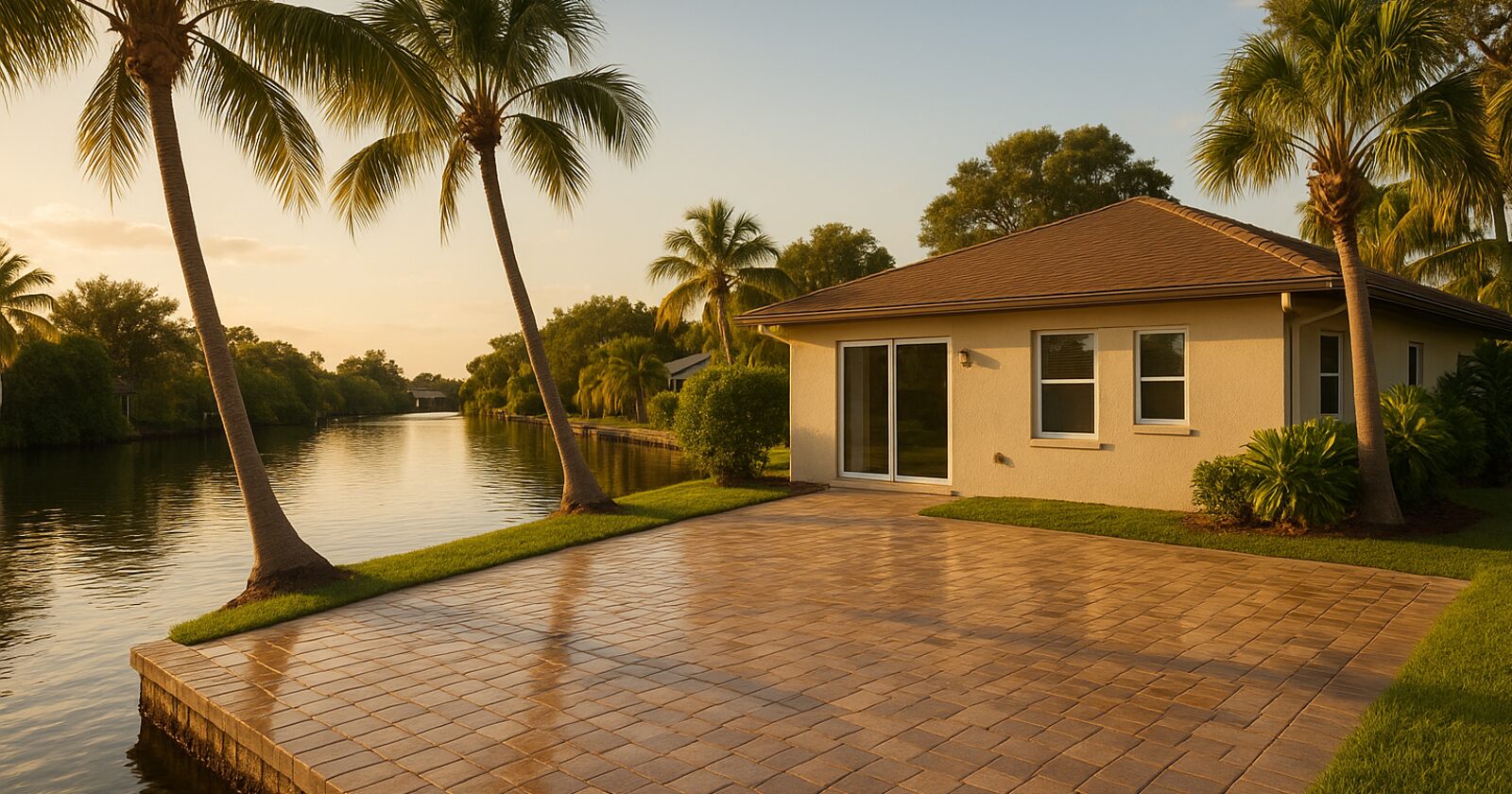
Nokomis is a quieter coastal community between Venice and Osprey, with waterfront and canal homes whose paver decks face heavy salt air, humidity, and algae pressure.
We provide professional paver sealing and restoration to homeowners and property owners throughout Nokomis, Florida. Our work covers everything from deep cleaning and efflorescence removal to joint sand stabilization, color enhancement sealing, and full surface restoration on driveways, pool decks, patios, and walkways - serving the older coastal cottages and newer waterfront estates that define this community alike.
The Character of Nokomis and What It Means for Paver Work
Nokomis sits along the southern end of Sarasota County, tucked between the Intracoastal Waterway and Tamiami Trail, with direct access to the Gulf through Lyons Bay and the passes near Casey Key. It is a genuinely mixed community - long-time residents in modest ranch homes from the 1960s and 1970s share the area with more recent buyers who have built or renovated larger homes close to the water. That variety matters for paver work, because the age of a property, its proximity to saltwater, and whether it has been maintained or left to weather for decades all shape what kind of work is actually needed. Nokomis is not a manicured master-planned community with uniform concrete block pavers throughout. Here you find older brick, natural travertine, and a range of concrete paver styles laid at different times by different contractors, which means assessments have to be done carefully and solutions tailored to the actual material at hand.
Why Nokomis Conditions Drive Consistent Demand
The climate in Nokomis is the single biggest reason pavers here deteriorate faster than they would in a drier region. Sarasota County averages over 55 inches of rain annually, and much of that falls in short, intense bursts between June and September. Standing water between paver joints washes out polymeric sand, undermines the bedding layer, and feeds mold, mildew, and algae that stain surfaces within a single wet season. The humidity never really drops, even in the dry months, which means spores that took hold in summer stay active year-round.
Proximity to salt water adds a second stress. Many Nokomis properties sit within a short distance of the Intracoastal, Lyons Bay, or Roberts Bay, and salt-laden air works on both the pavers themselves and on the joints. Salt crystals form inside porous concrete and travertine, creating pressure that causes surface pitting and flaking - a process called spalling - that becomes visible over several seasons. Properties that face open water or catch prevailing southwest breezes see this progression more quickly than inland lots. A quality penetrating sealer dramatically slows salt intrusion, which is why sealing is not a cosmetic choice for Nokomis homeowners close to the water - it is straightforward protective maintenance.
Storm season matters too. Tropical systems and strong afternoon thunderstorms move debris, scour joint sand, and deposit organic material across paver surfaces. After a serious storm event, it is common to find driveways and pool decks with displaced pavers, eroded base material, and surface staining from leaves, pine needles, and standing water that sat for days. That combination of conditions - heat, humidity, salt air, storm activity, and heavy rain - makes Nokomis one of the more demanding environments for outdoor paver surfaces on the Gulf Coast.
What Nokomis Homeowners Typically Call About
The most frequent calls we receive from Nokomis are about pool decks. Many homes here were built or renovated during the 1990s and 2000s with travertine or concrete pavers around screened enclosures. Those surfaces are now old enough to show real wear - dull color, heavy algae growth, open joints where the sand has long since washed away, and in some cases sunken or rocking individual pavers where the base has shifted. Pool deck work in Nokomis almost always combines pressure washing, joint sand replacement, and sealing in a single visit, because doing any one of those things without the others produces a result that does not last.
Driveways are the second major category. The older Nokomis neighborhoods have long concrete driveways that homeowners have replaced with brick or concrete pavers at some point, and those pavers are often overdue for their first professional cleaning and seal. We also hear from homeowners who had driveways sealed by a previous contractor using a glossy film-forming sealer that has now peeled, bubbled, or turned milky white - a failure that looks worse than no sealer at all and requires stripping before a proper application can go down.
Walkways, front entries, and side-yard paths round out the typical Nokomis job list. Because many properties here have mature oak and palm canopy, tannin staining from leaves and organic debris is a recurring issue. Tree roots are also a factor in some older neighborhoods, causing isolated sections of a walkway to heave or sink, which requires targeted releveling before the surface can be cleaned and sealed uniformly.
How Good Paver Work Gets Done in Nokomis
Access and logistics in Nokomis are generally straightforward - properties are not gated in the same way some inland communities are, and most driveways and pool areas are reachable without special equipment. The exception is waterfront lots with narrow side yards, where getting a pressure washing setup around to a back patio means threading equipment through a tight passage. That is routine for experienced crews who work this area regularly.
Sarasota County does not require permits for paver cleaning and sealing as a standalone scope of work. If restoration work involves re-grading a base or significant re-laying of pavers over a large area, it is worth confirming with the county whether that scope triggers any review, but for the vast majority of residential jobs in Nokomis - cleaning, sealing, joint sand, and minor releveling - no permit is required. You can review our services for a full breakdown of what each phase of the work involves.
One practical note specific to Nokomis: summer scheduling fills quickly. Because the wet season brings constant work from storm damage and post-rain cleanup calls, spring - roughly February through May - is the ideal window to schedule a full restoration. Surfaces are dry, base material is stable, and sealers cure properly without competing with afternoon humidity spikes.
The Process From First Look to Finished Surface
Every job starts with an on-site assessment. We look at the paver material, the existing sealer if there is one, the condition of joints, any sunken or displaced pieces, and the surrounding drainage. From that we give a clear recommendation - not a one-size-fits-all quote. If you have questions about what to expect before scheduling, our common questions page covers the most frequent ones in detail.
Once work begins, the sequence is consistent: thorough cleaning with appropriate pressure and chemistry for the specific paver type, followed by allowing the surface to dry completely - typically 24 to 48 hours in Nokomis conditions. Then any necessary releveling and joint sand application, followed by sealer application in one or two coats depending on the porosity of the material and the product being used. The surface needs to cure before traffic, which is usually 24 hours for foot traffic and up to 72 hours before driving on a sealed driveway. We walk every homeowner through what to expect before we leave the site.
Common Mistakes and How to Avoid Them
The most damaging mistake in Nokomis is sealing too soon after cleaning. If surface moisture is still present when sealer goes down, the result is a white, cloudy finish that is trapped beneath the sealer film and very difficult to correct. This happens most often when contractors are rushing between jobs during a busy season. A professional who works in this climate knows to verify surface dryness before any sealer application, not just eyeball it.
A second common error is using the wrong sealer for the climate. High-gloss acrylic topcoat sealers look impressive immediately after application but break down faster in Florida UV and tend to trap moisture under the film in humid conditions, leading to peeling and discoloration within two to three years. A penetrating sealer or a water-based acrylic designed for high-humidity environments performs far better over time on Nokomis properties. We are happy to discuss sealer options in detail when you schedule a free consultation.
Finally, skipping joint sand replacement before sealing is a shortcut that costs more in the long run. Sealer can temporarily disguise open joints, but the base material is still exposed to water intrusion, and the result will be uneven and short-lived. Doing the job completely the first time is the only approach that holds up in this environment.
Why Nokomis Homeowners Choose Professional Service
Nokomis homeowners who invest in their outdoor spaces - and many do, given how central outdoor living is to life near the water here - understand that DIY pressure washing without the right chemistry, technique, and follow-up sealing can do more harm than good. Excessive pressure on older travertine removes the finish layer. Wrong detergents leave residue that interferes with sealer adhesion. Uneven cleaning leaves ghost lines that are visible once the sun hits the surface at the right angle.
Beyond technique, the product quality available to licensed professionals is simply different from what is sold at big-box stores. Contractor-grade penetrating sealers offer longer protection windows, better UV resistance, and more consistent results than retail alternatives. For a Nokomis homeowner whose pool deck or driveway represents a real investment - and whose property is exposed to the specific stresses of coastal Southwest Florida - hiring a professional is the decision that protects that investment over the long term. You can see the full range of what we do and the areas we cover on our areas we serve page.
Nearby Areas We Also Serve
Nokomis shares geography and many of the same property characteristics with several adjacent communities. Osprey is immediately to the south, with a similar mix of older homes and newer waterfront construction along the Intracoastal. Venice is just beyond, with a larger inventory of concrete paver driveways and pool decks in its planned communities. North Creek and Laurel are inland neighborhoods within the Nokomis zip code that have their own concentrations of residential paver work. If you are in any of these areas and are unsure whether we cover your location, our areas we serve page has the full picture, or you can simply request a free consultation and we will confirm coverage when we respond.
What we do here
Our paver services in Nokomis
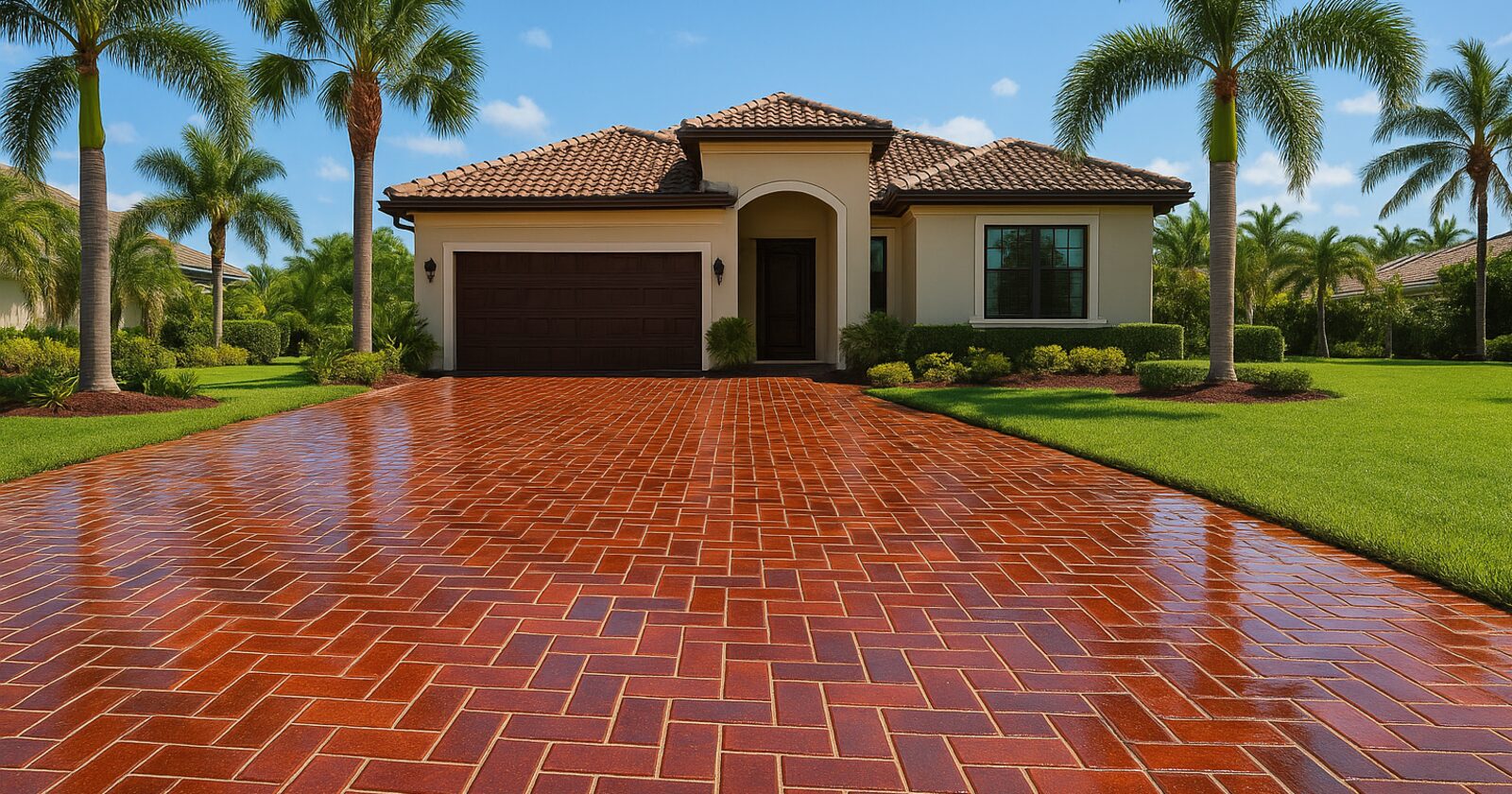
Paver Driveway Sealing
Clean, re-sand, and seal your paver driveway so the color comes back, the joints lock tight, and weeds and oil stains stop taking hold.
Learn more →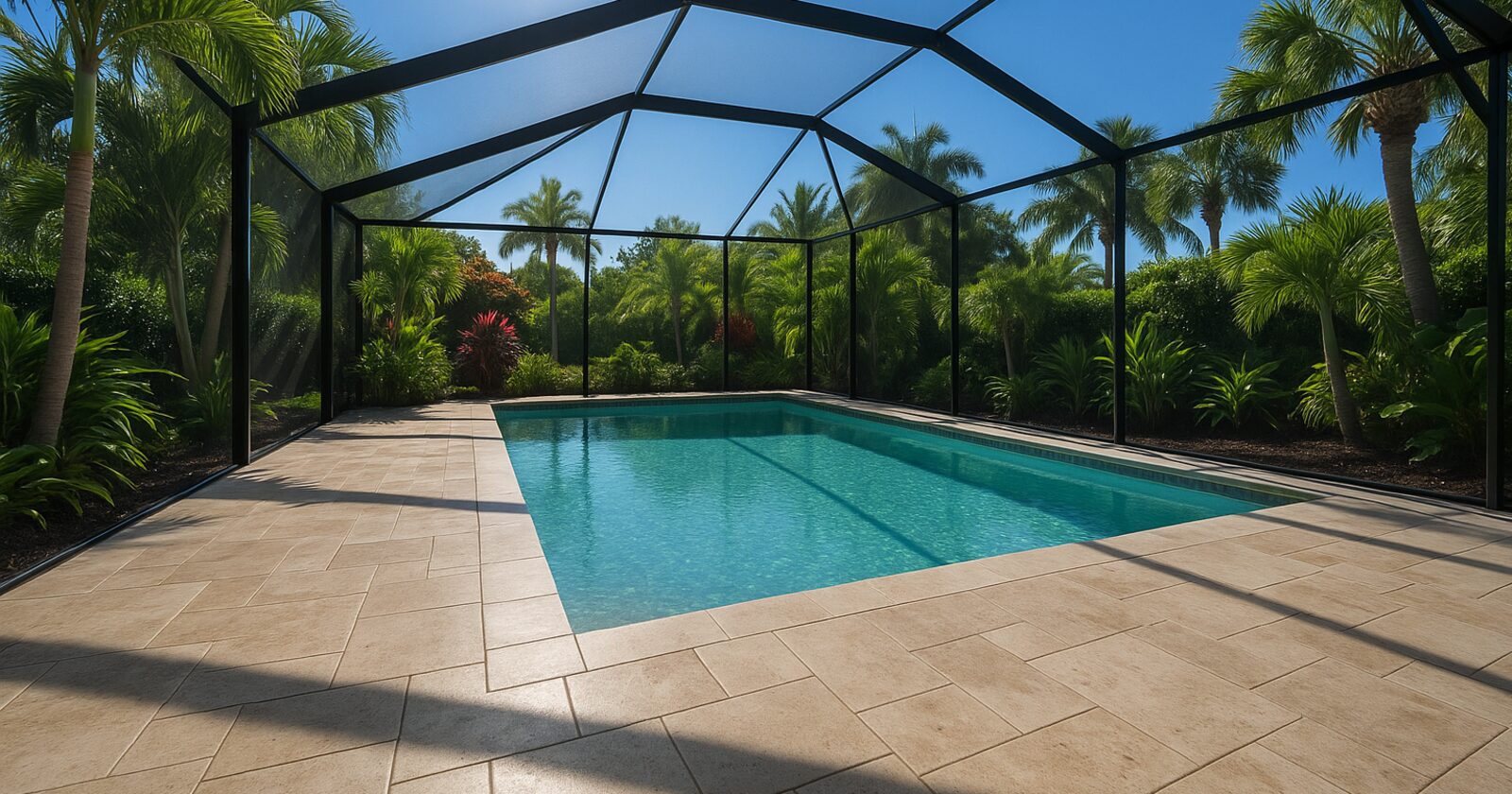
Pool Deck & Lanai Paver Sealing
Seal the pavers around your pool and lanai to stop algae, cut slip risk, and keep the deck cool and clean under bare feet.
Learn more →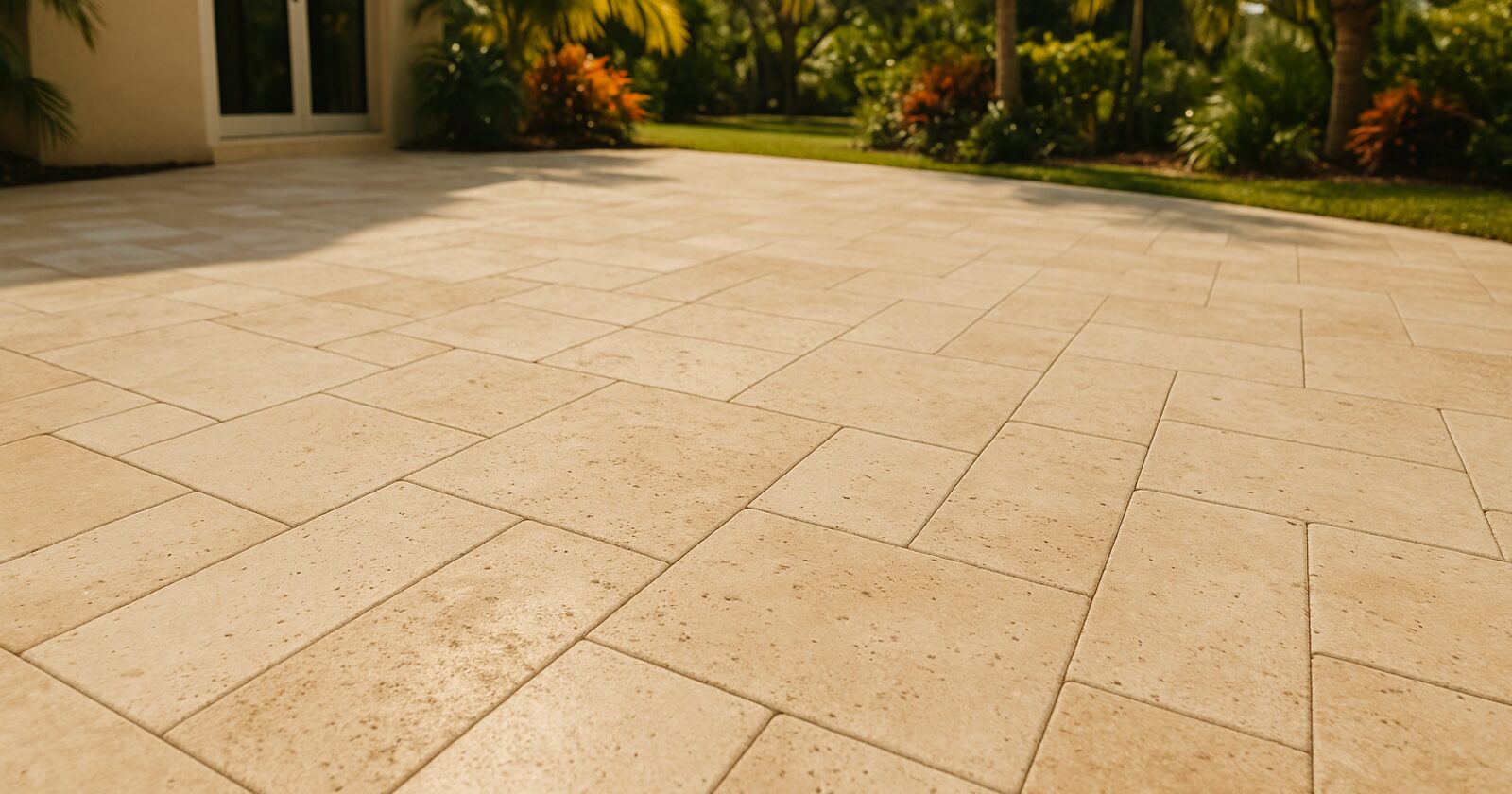
Travertine Cleaning & Sealing
Specialized cleaning and sealing for travertine pool decks and patios that protects the stone without making it slick.
Learn more →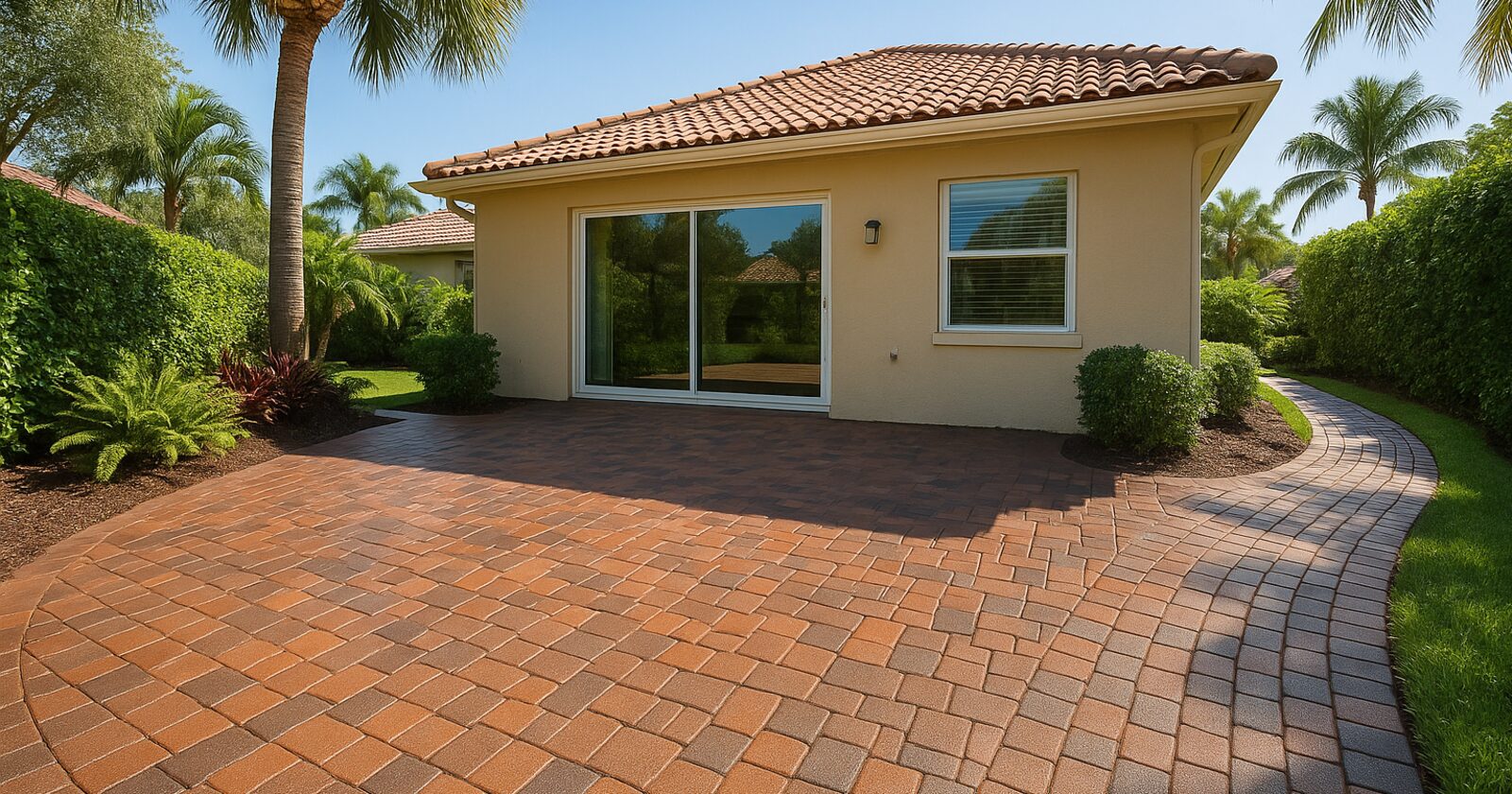
Paver Restoration & Re-Sanding
Bring a tired, weedy, or sunken paver surface back to life with re-sanding, minor releveling, and a fresh seal.
Learn more →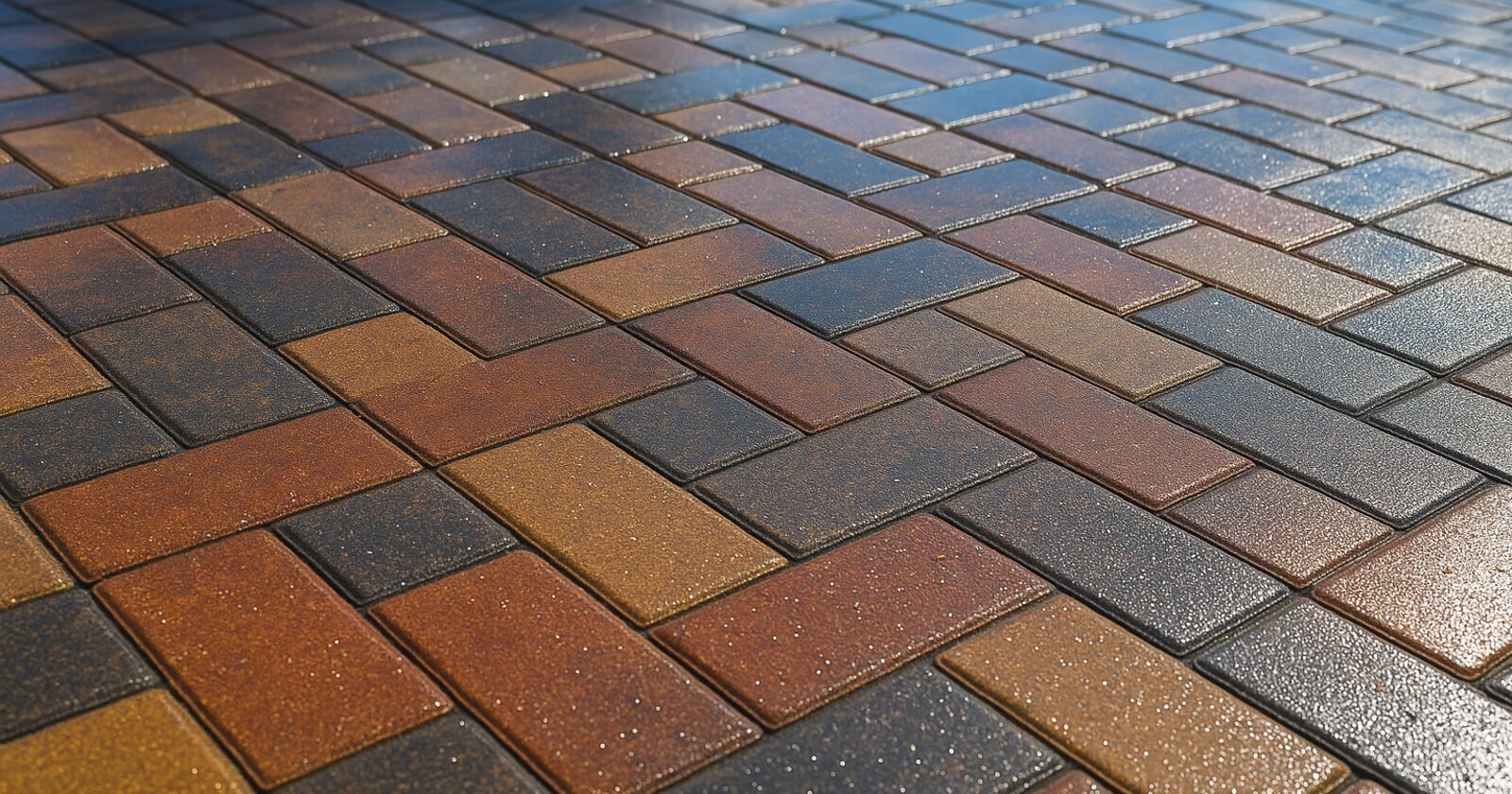
Paver Cleaning & Pressure Washing
Professional cleaning that safely strips mold, algae, rust, and grime from pavers without blasting the joint sand out.
Learn more →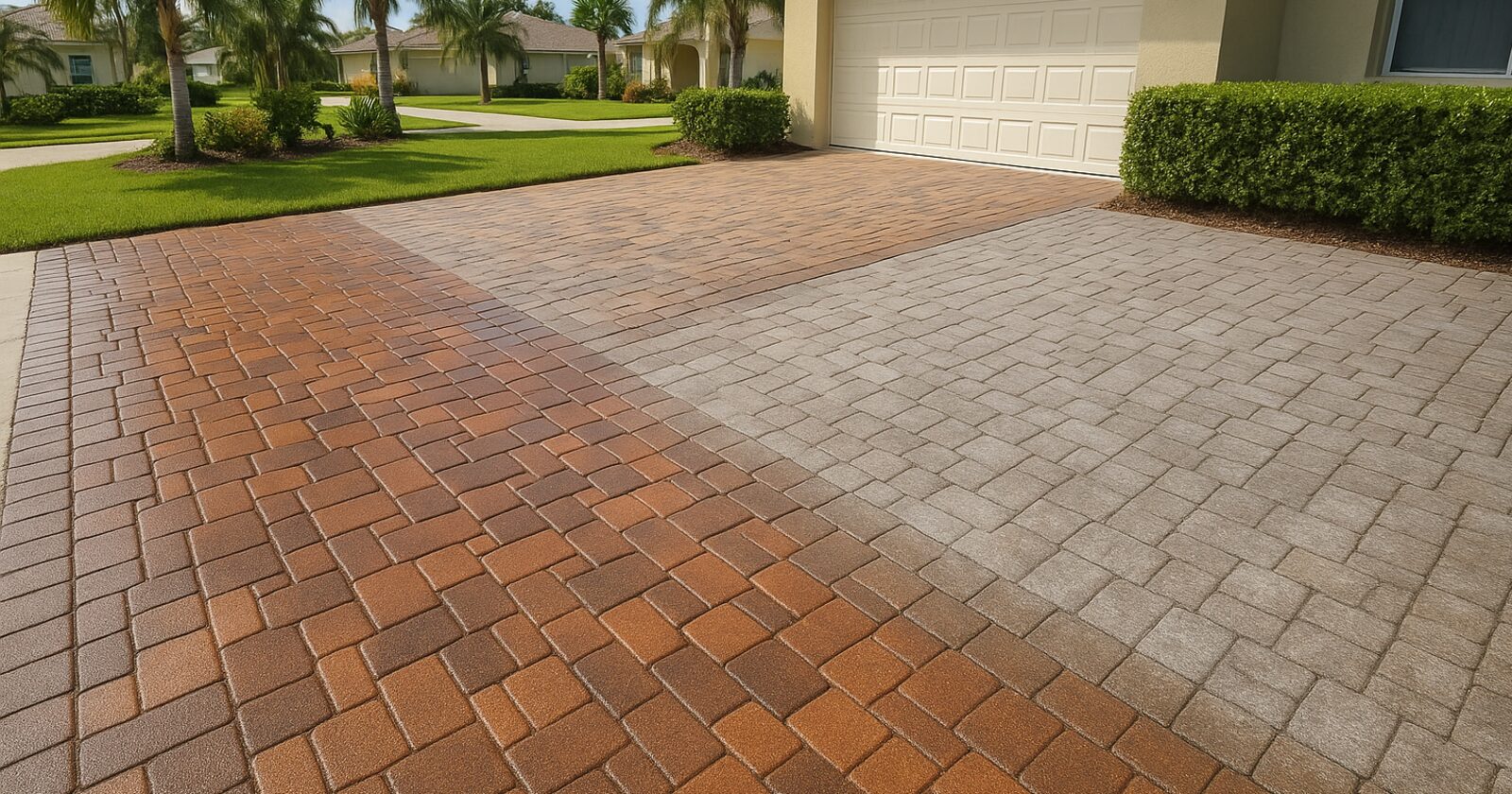
Sealer Stripping & Re-Seal
Remove old, failed, cloudy, or peeling sealer and start fresh with a clean, correctly applied coat.
Learn more →Answers
Paver sealing questions in Nokomis
How often should I seal my travertine pool deck in Nokomis?
My driveway pavers in Nokomis have a white, hazy film on them. What is that and can it be fixed?
Some of my patio pavers near the water in Nokomis are pitting and flaking. Is that repairable?
Can you reuse the existing polymeric joint sand when you reseal my pavers?
Is there a best time of year to have pavers sealed at my Nokomis home?
My older Nokomis home has brick pavers that have never been sealed. Is it too late to start?
Get started
Request a free quote
Tell us what you need. No pressure, and a real person gets right back to you.