
Service area
Paver Sealing & Restoration in Wellen Park, FL
No pressure, ever
Paver sealing in Wellen Park? Get a free quote.
A real local person looks at your pavers and gives you a firm written price. No obligation.
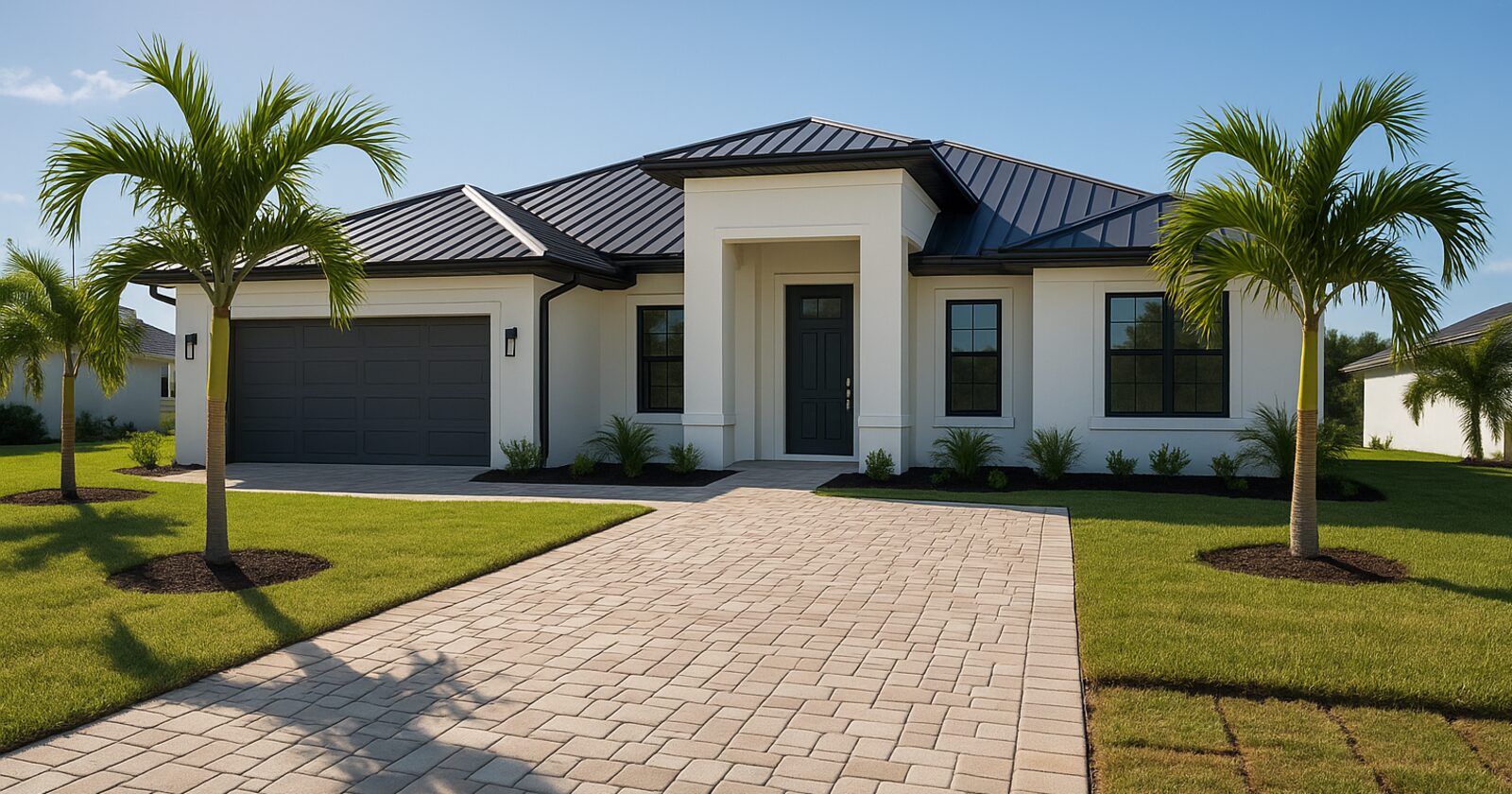
Wellen Park is a fast-growing master-planned community on the south Venice side, with brand-new construction and paver driveways and lanais that need their first seal within a couple of years of move-in.
We provide professional paver sealing and restoration for homeowners across Wellen Park, covering driveways, pool decks, patios, and walkways in this master-planned Venice-area community. Our work includes deep cleaning, polymeric sand replacement, joint re-sanding, efflorescence removal, and both wet-look and natural-finish sealing - everything a Wellen Park property needs to stay sharp in Southwest Florida's demanding climate.
Wellen Park: A New Community With Real Maintenance Demands
Wellen Park is one of the fastest-growing planned communities in Southwest Florida, occupying land in the southern part of Sarasota County near the City of Venice. Unlike older, organically developed neighborhoods, Wellen Park was designed from the ground up with a cohesive aesthetic in mind - wide paved driveways, travertine and brick paver pool decks, and interconnected walkways that give the community its polished look. The town center sits around a large lake, and the residential villages that fan out from it share a consistently upscale finish that homeowners here take seriously. That uniform visual standard means that when one property's pavers fade or grow grimy, it stands out immediately against the pristine newer surfaces nearby.
The community has grown rapidly, with most of its homes constructed within the last decade, many of them in the last three to five years. Builders like Neal Communities, Mattamy Homes, and Toll Brothers have delivered homes across multiple villages within the development, and nearly every floorplan includes generous paved outdoor living spaces. That means the majority of properties here are not historic fixer-uppers - they are relatively new homes whose owners expect the surfaces to look the way they did on move-in day. Maintaining that standard in a Florida coastal environment requires intentional, scheduled care.
Why Wellen Park's Climate Is Hard on Pavers
Wellen Park sits several miles inland from the Gulf of Mexico, which means it avoids the heaviest direct salt spray that hammers communities right on the barrier islands. However, it is absolutely not insulated from the broader effects of Southwest Florida's coastal climate. Humidity levels here are persistently high from late spring through early fall, and afternoon thunderstorms in the summer months deliver intense moisture almost daily. That constant wet-dry cycle is one of the most destructive forces for unsealed or under-sealed pavers, because moisture infiltrates the joints and the paver surface itself, then evaporates and leaves behind mineral deposits and encourages organic growth.
The region's subtropical sun is equally punishing. UV radiation fades the color of concrete and brick pavers rapidly, turning rich charcoal or sand-toned surfaces to a washed-out gray within two to three years if they are left unprotected. Wellen Park's streets and neighborhoods are largely open-canopy - the community is new enough that its trees have not yet grown tall enough to provide meaningful shade over most driveways and patios. That direct sun exposure accelerates both color fade and surface oxidation. A quality penetrating sealer addresses both problems by blocking UV rays and repelling moisture before it can work into the stone.
Hurricane season brings its own category of damage. Even storms that do not make direct landfall deposit enormous volumes of organic debris across outdoor surfaces. After a major storm, paver joints across Wellen Park fill with leaf litter, displaced mulch, and silt, and that organic matter accelerates mold and algae colonization if it is not addressed promptly. Many of our post-storm calls come directly from Wellen Park homeowners who notice dark staining and slippery surfaces in the weeks following a named storm.
What Wellen Park Homeowners Typically Call Us About
The single most common call we receive from Wellen Park is about algae and mold on pool decks and driveways. Because so many homes here are relatively new and were sealed at the builder level - often with a basic, inexpensive sealer applied once and never refreshed - the original protection has worn down and organic growth has taken hold. Builder-grade sealers typically last one to two years under Florida sun and rain; by the time a homeowner has been in their Wellen Park home for three years, the factory seal is almost certainly gone.
Efflorescence is another frequent complaint. This white, chalky mineral residue appears when water draws calcium salts up through concrete pavers and deposits them on the surface as it evaporates. In Wellen Park's high-humidity, high-rainfall environment, efflorescence can appear on relatively new driveways and patios within the first year or two, especially on concrete pavers. Many homeowners mistake it for a defect in their pavers or a problem with their irrigation system hitting the surface, but it is a naturally occurring chemical process that requires proper treatment - not just pressure washing - to address correctly.
Joint sand washout is nearly universal on properties here that have experienced a few rainy seasons. The polymeric sand that locks paver joints in place erodes over time from rain, foot traffic, and irrigation overspray, and once the joints open up, the pavers begin to shift subtly and weeds take root quickly. Wellen Park's lush landscaping and fertile soil conditions mean weed intrusion through open joints happens faster here than it might in a drier environment. Replacing the joint sand and re-sealing properly solves the problem comprehensively. For a full picture of what each of these services involves, see our services page.
How the Work Is Done Right in Wellen Park
Wellen Park's HOA structure means homeowners are subject to community standards, and that actually works in our favor - residents here are motivated to maintain their properties to a high visual standard, and HOA rules often require that exterior surfaces remain clean and well-maintained. Most paver sealing and restoration work on a single-family home in Wellen Park does not require a building permit, but it is always worth confirming with your specific village's HOA whether any color changes or surface modifications require prior approval. Our team is familiar with the community and can help guide that conversation.
Access on Wellen Park properties is generally straightforward. Homes are built on relatively flat lots, driveways are wide, and there is typically good equipment staging space. The newer construction also means fewer legacy drainage complications. We do take care to protect adjacent landscaping - which in Wellen Park is often meticulously maintained - during the cleaning and sealing process, using targeted application methods rather than broadcast chemical use.
The Process From First Contact to Finished Surface
The process begins with a free on-site evaluation. We walk the driveway, pool deck, and any other paved surfaces, assess the current sealer condition (if any), note organic growth, efflorescence, joint erosion, and any cracked or sunken pavers. We discuss finish options - wet-look sealers give Wellen Park's travertine and brick surfaces a rich, saturated appearance, while matte natural-finish sealers preserve the original stone look - and provide a clear written scope. If you have questions before scheduling, our common questions page covers a wide range of topics.
On the day of service, we begin with a thorough surface preparation. This means a professional hot-water pressure wash to remove algae, mold, dirt, and old sealer residue, followed by targeted efflorescence treatment where needed. Joints are re-sanded with fresh polymeric sand, which is compacted properly before any sealer is applied. The sealer is then applied in thin, even coats using professional-grade equipment, and the surface is left to cure - typically 24 hours before foot traffic and 48 to 72 hours before vehicle traffic. We walk the completed work with the homeowner before we leave. Ready to get started? Request a free consultation and we will schedule a visit at your convenience.
Mistakes to Watch For - and How to Avoid Them
The most common mistake we see on Wellen Park properties is a homeowner or a general handyman pressure-washing pavers at too high a pressure, which blasts the joint sand out entirely and can etch softer travertine surfaces. Travertine - which is popular in Wellen Park pool areas and entry walks - is a calcium-based stone that requires lower pressure and pH-neutral cleaning chemistry. Using standard concrete-rated pressure on travertine causes pitting and surface damage that is expensive to correct.
Another recurring issue is sealing over dirty or wet pavers. If a sealer is applied before the surface is fully clean and completely dry, it traps moisture and organic material beneath the film, which leads to cloudiness, peeling, and trapped mold. This is especially relevant in Wellen Park because afternoon rains are reliable throughout summer and early fall, so scheduling and timing matter enormously. We monitor the forecast carefully and will never seal a surface that has been rained on within the appropriate drying window.
Why Wellen Park Homeowners Choose a Professional
Wellen Park homeowners have invested significantly in their properties. The community's price points, the quality of the builder finishes, and the HOA environment all create a strong incentive to protect that investment properly. A DIY sealer from a hardware store, applied without correct surface preparation, will fail within one season in this climate and can actually create more work to correct than if nothing had been done at all. Professional-grade sealers are not available to retail consumers, and the application equipment matters as much as the product. A professional crew brings the chemistry, equipment, and experience with Florida's specific climate variables that consumer products simply cannot replicate. You can explore the full range of communities we work in on our areas we serve page.
Nearby Villages and Communities Within Wellen Park
The broader Wellen Park development includes distinct villages such as Grand Palm, Sunstone, Brightmore, and the emerging districts closer to the downtown lakefront. Each village has its own character and HOA, but the paver and surface care challenges are consistent across all of them. Grand Palm, being one of the older villages in the development, tends to have more mature paver surfaces that are overdue for re-sealing. Newer villages closer to the active development zones often have homes whose builder sealers are just now reaching the end of their useful life. The surrounding areas of North Port, Venice, and the broader South Sarasota County corridor are communities we also serve regularly, and many residents move between these areas as Wellen Park continues to grow into its full buildout.
What we do here
Our paver services in Wellen Park
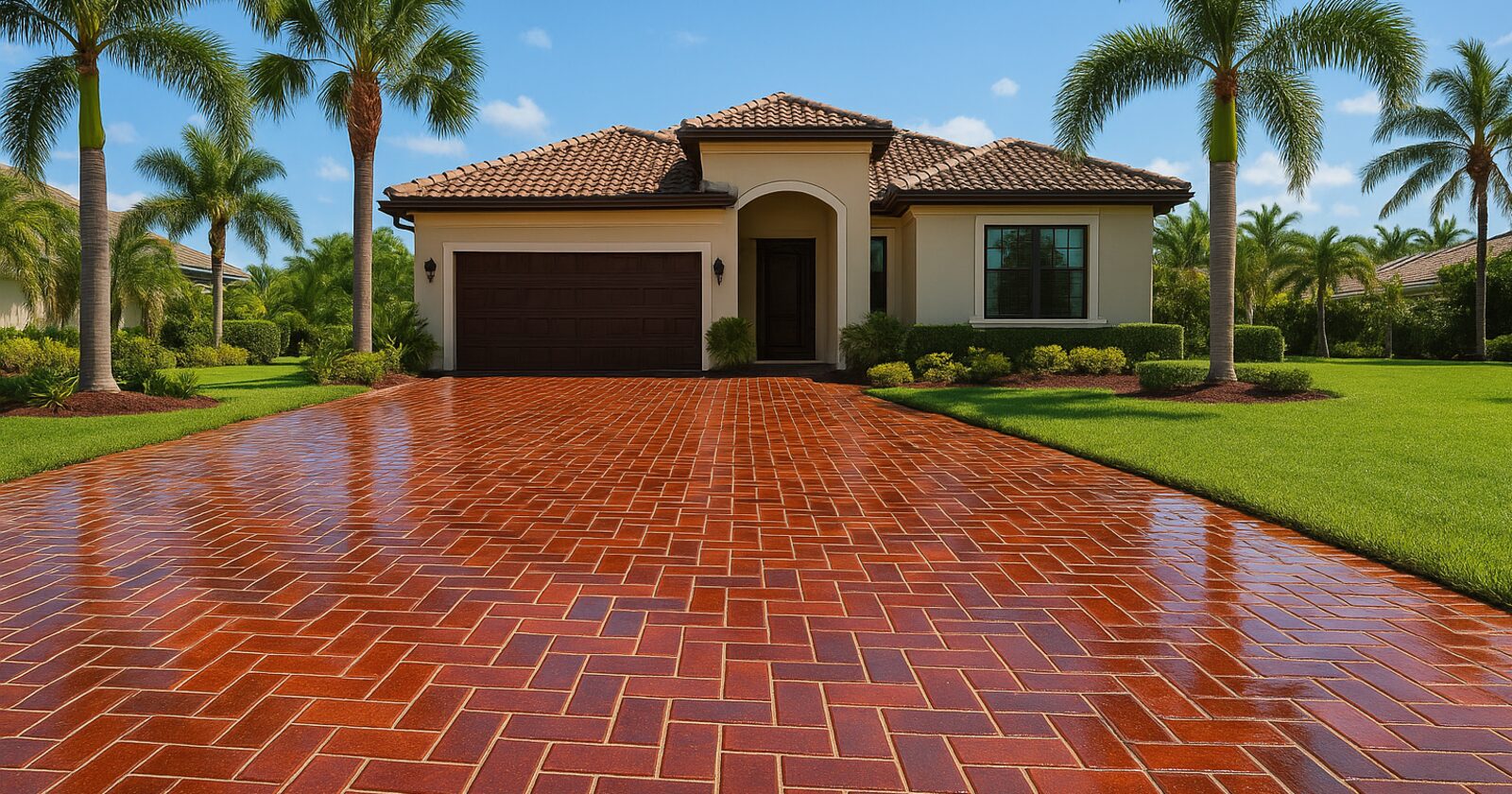
Paver Driveway Sealing
Clean, re-sand, and seal your paver driveway so the color comes back, the joints lock tight, and weeds and oil stains stop taking hold.
Learn more →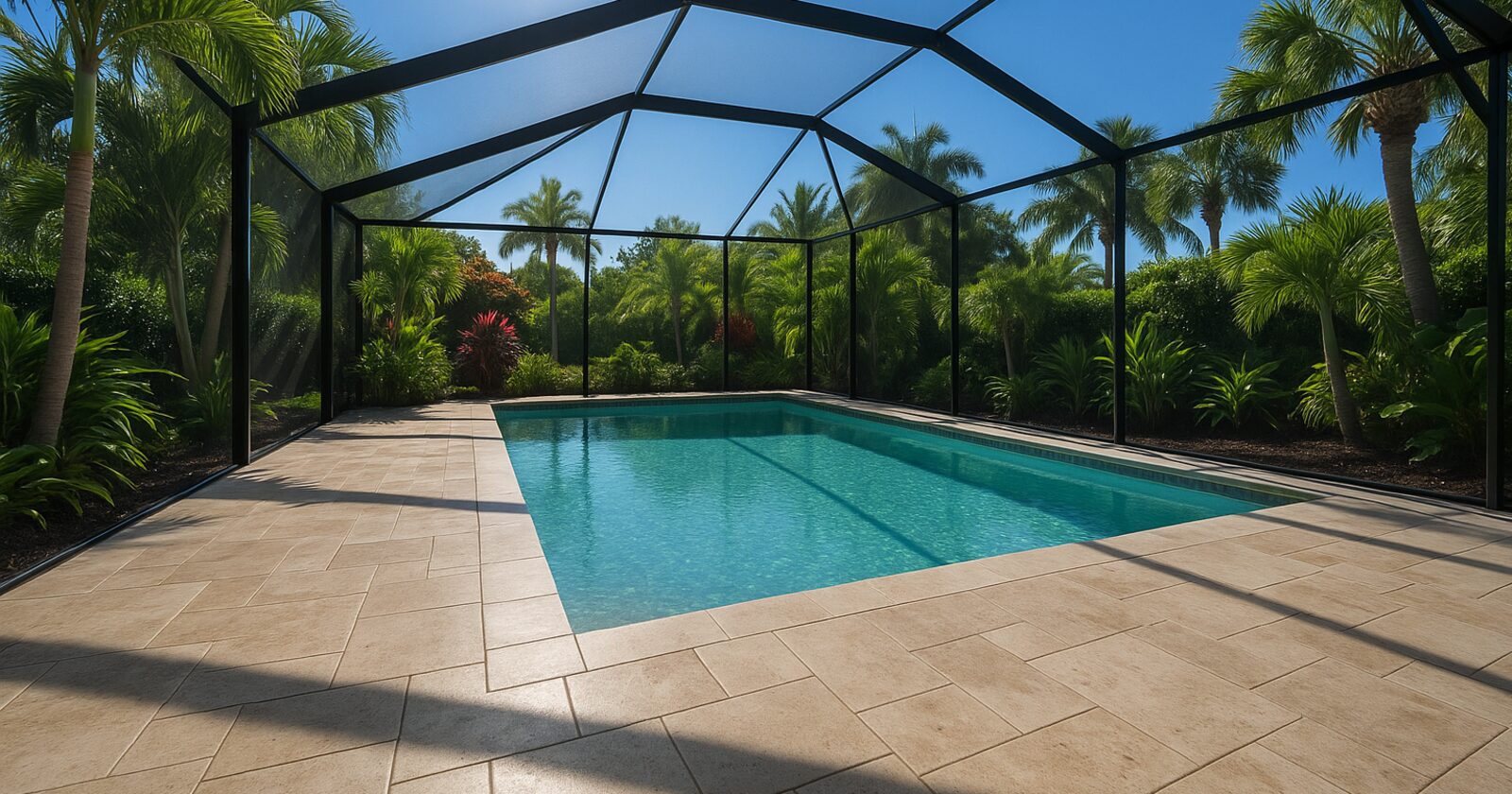
Pool Deck & Lanai Paver Sealing
Seal the pavers around your pool and lanai to stop algae, cut slip risk, and keep the deck cool and clean under bare feet.
Learn more →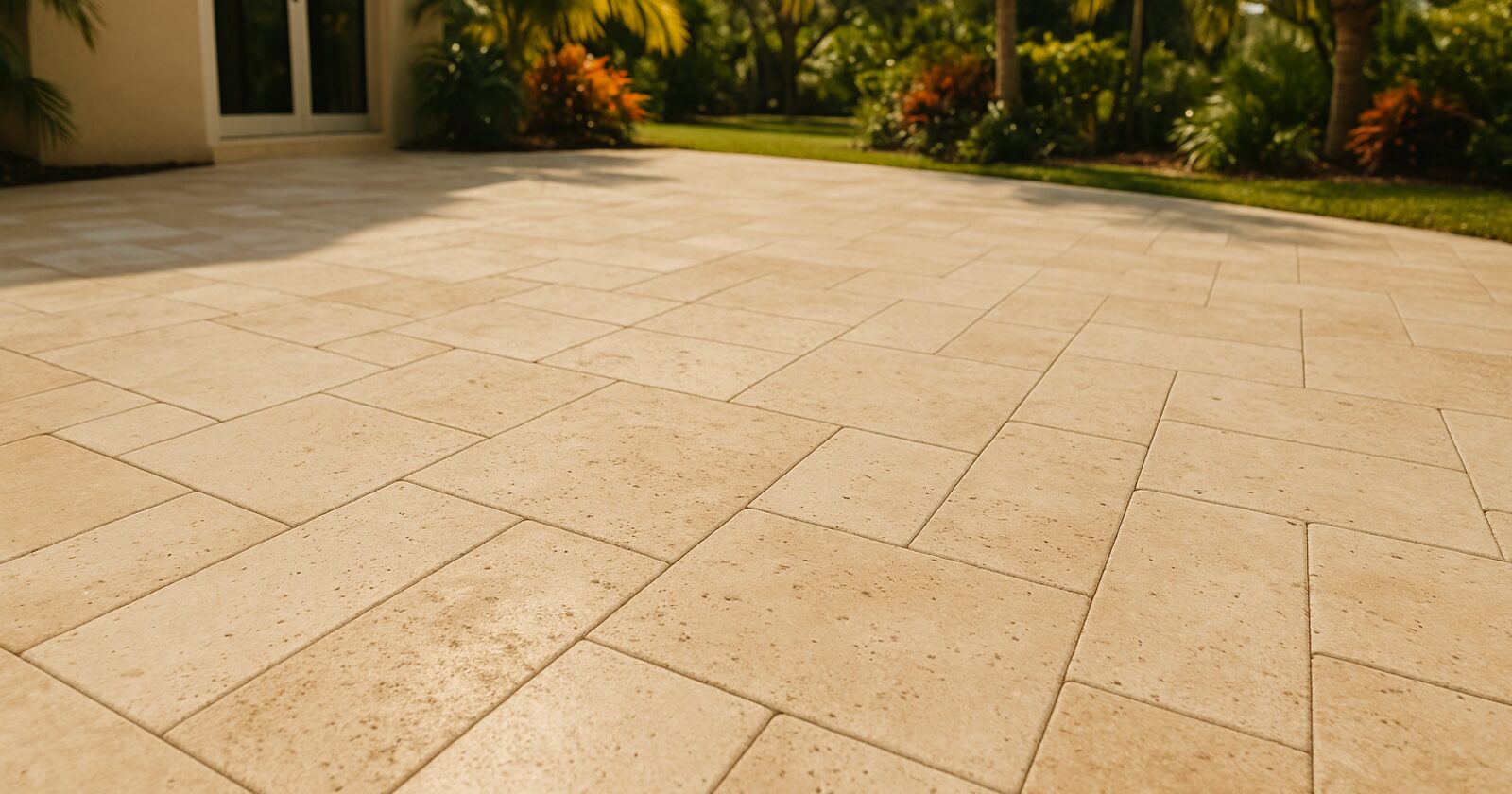
Travertine Cleaning & Sealing
Specialized cleaning and sealing for travertine pool decks and patios that protects the stone without making it slick.
Learn more →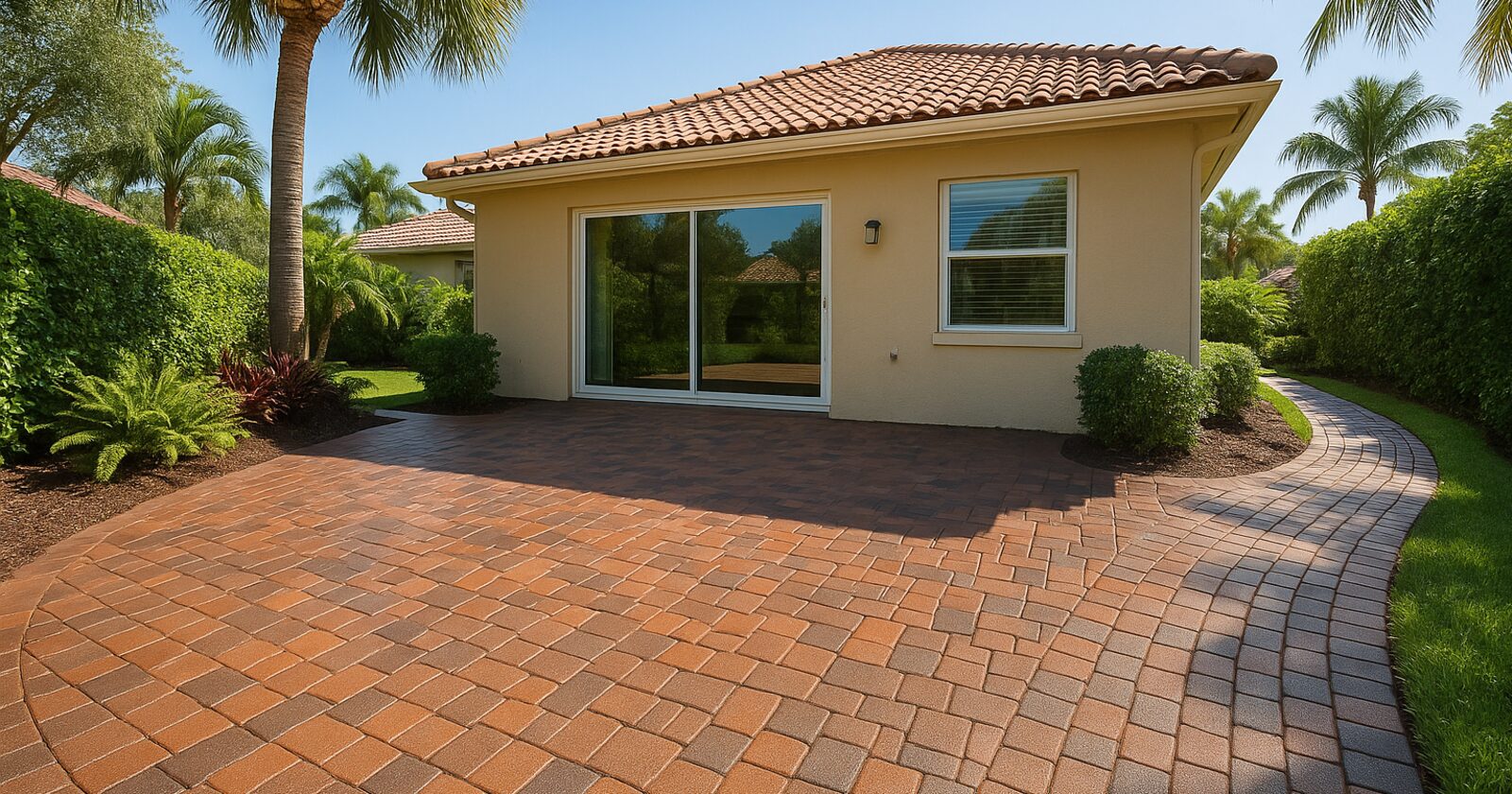
Paver Restoration & Re-Sanding
Bring a tired, weedy, or sunken paver surface back to life with re-sanding, minor releveling, and a fresh seal.
Learn more →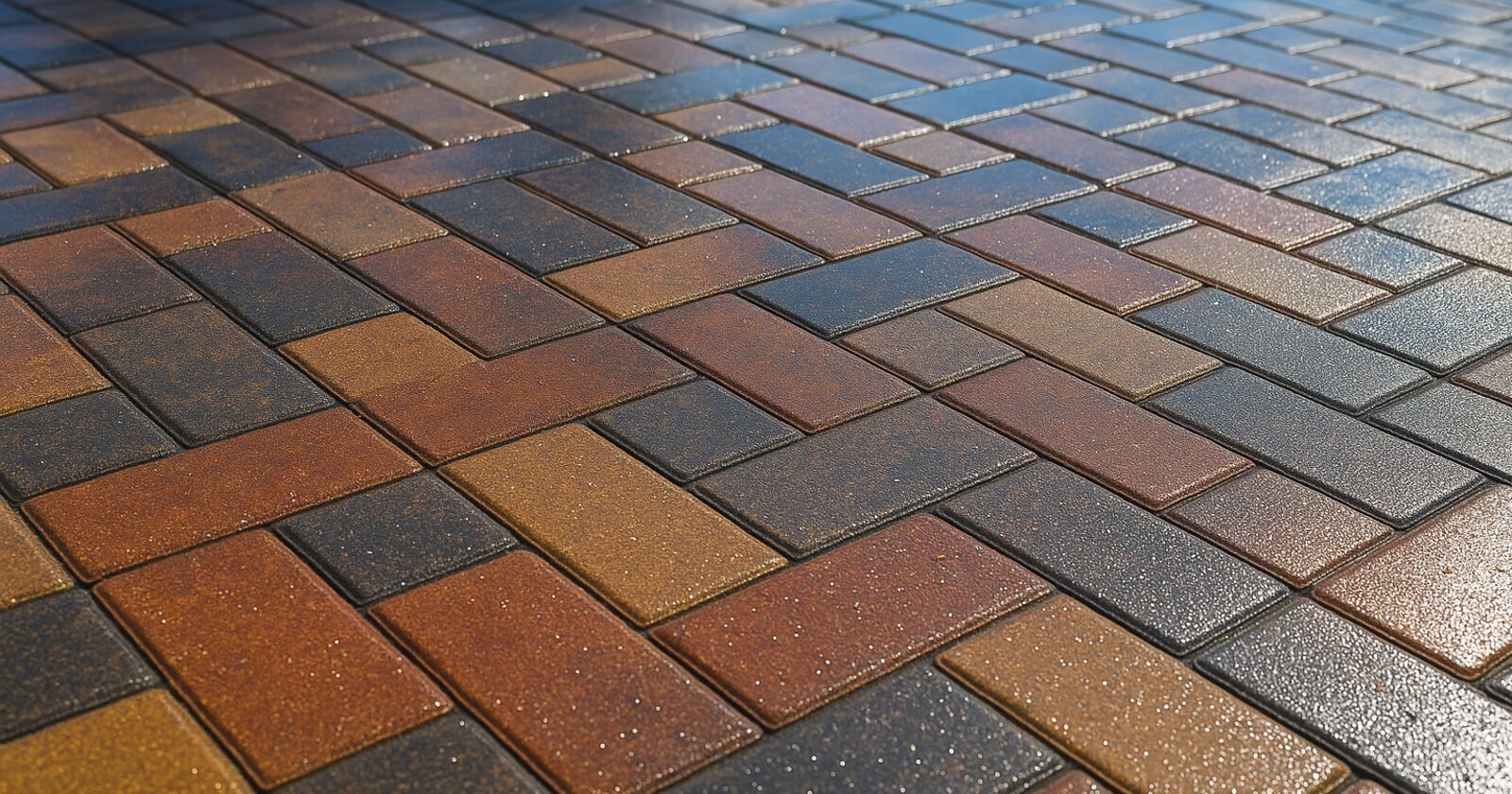
Paver Cleaning & Pressure Washing
Professional cleaning that safely strips mold, algae, rust, and grime from pavers without blasting the joint sand out.
Learn more →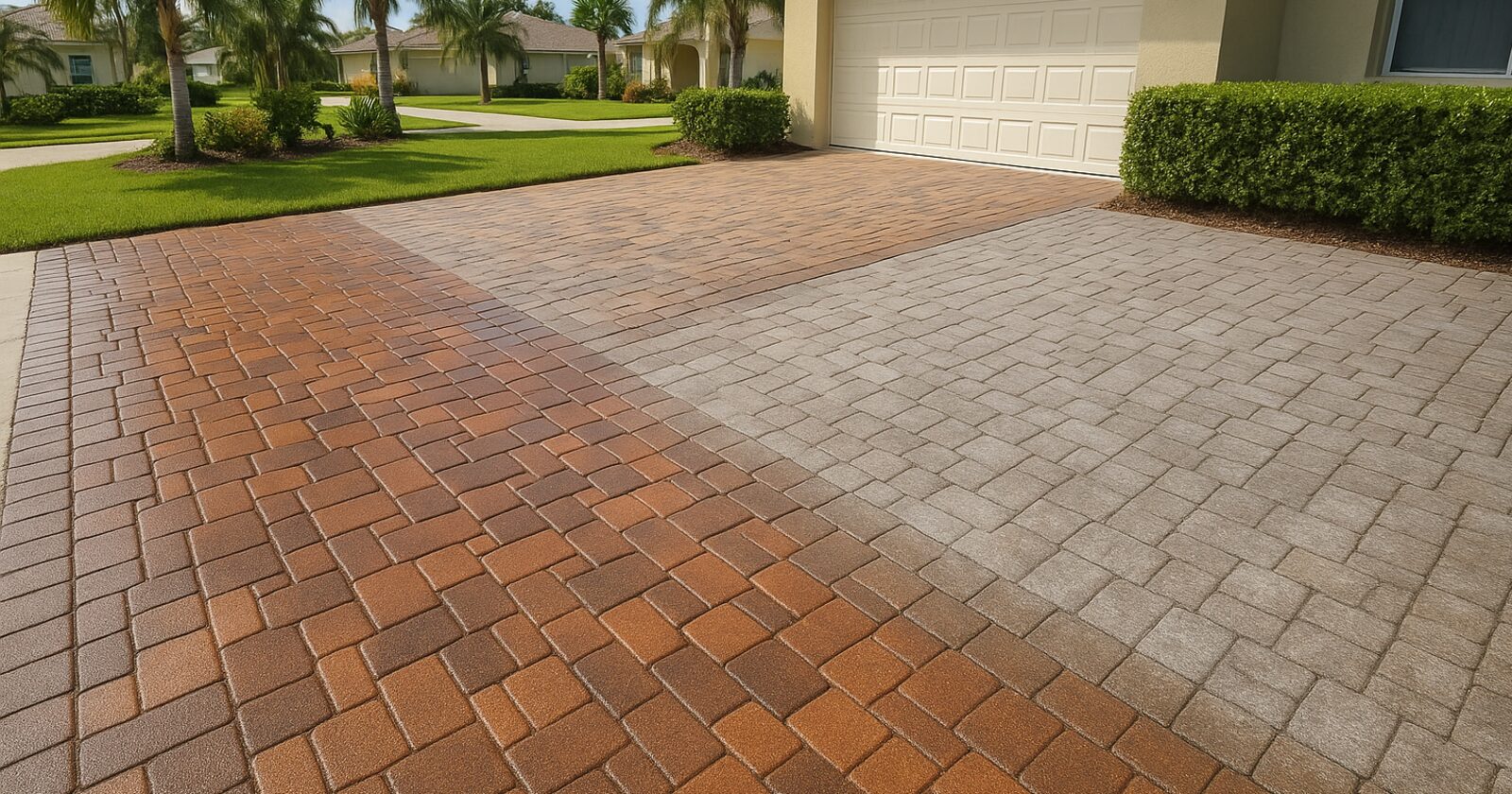
Sealer Stripping & Re-Seal
Remove old, failed, cloudy, or peeling sealer and start fresh with a clean, correctly applied coat.
Learn more →Answers
Paver sealing questions in Wellen Park
My Wellen Park home was built a few years ago and the pavers still look fairly new. Do I really need sealing yet?
There is white chalky residue appearing on my concrete pavers in my Wellen Park driveway. What is it and can it be fixed?
Will I need HOA approval before having my Wellen Park pavers sealed or restored?
My pool deck is travertine. Is the process different from a standard concrete paver driveway?
How long after a hurricane or major storm should I wait before calling for paver restoration?
How often should Wellen Park homeowners plan to have their pavers re-sealed?
Get started
Request a free quote
Tell us what you need. No pressure, and a real person gets right back to you.