
Service area
Paver Sealing & Restoration in Venice, FL
No pressure, ever
Paver sealing in Venice? Get a free quote.
A real local person looks at your pavers and gives you a firm written price. No obligation.
Venice draws retirees and seasonal owners to its island and mainland neighborhoods, where sun-exposed paver driveways and screened lanai decks take a beating and owners want them low-maintenance.
We provide professional paver sealing and restoration services throughout Venice, Florida, covering driveways, pool decks, patios, walkways, and garden paths across the city's wide range of residential and waterfront properties. Our work includes cleaning, re-sanding, repair, color enhancement, and protective sealing - everything needed to keep concrete, travertine, and brick pavers in top condition in this demanding coastal climate.
Venice, Florida: A City That Takes Pride in Its Outdoor Spaces
Venice occupies a narrow barrier island and the adjacent mainland south of Sarasota, and that geography shapes almost everything about how homes are built and maintained here. The city has a distinctly Mediterranean character - not just by name, but in the architecture, the landscaping, and the preference for stone and paver surfaces that complement Spanish-influenced rooflines and lush tropical plantings. Residents here tend to invest genuinely in their outdoor living areas. A well-laid paver driveway or a travertine pool deck is not an afterthought; it is a considered part of the home's design, and homeowners in Venice notice when those surfaces start to look tired, stained, or structurally compromised.
The housing stock in Venice is unusually diverse for a city of its size. You have older ranch-style homes built in the mid-twentieth century on the island itself, alongside newer construction in master-planned communities on the mainland. Many of the waterfront and near-waterfront homes along the intracoastal and the canals are owner-occupied by retirees and semi-retirees who spend a significant portion of their time outdoors - on the lanai, around the pool, or on a driveway that doubles as an entertainment approach. Those homeowners are attentive, they compare notes with neighbors, and they expect professional results.
The Coastal Conditions That Work Against Pavers in Venice
Salt air is the single most aggressive environmental factor affecting pavers in Venice. The city sits directly on the Gulf of Mexico, and even properties a mile or two inland receive measurable salt deposition on surfaces, particularly after onshore breezes and during storm season. Salt is hygroscopic - it pulls moisture into the surface of pavers and into the joints between them, accelerating the breakdown of joint sand and creating the conditions for efflorescence, surface spalling, and long-term structural loosening. A sealer that is correctly chosen and correctly applied forms a barrier that dramatically slows this process.
Humidity compounds the salt problem. Venice sits in one of the most consistently humid corridors of Florida, and that sustained moisture keeps organic growth - mold, mildew, algae, and lichen - actively colonizing paver surfaces almost year-round. In shaded areas beside the house or under mature trees, algae can turn a light-colored travertine or concrete paver surface dark green or black within a single wet season. This is not just a cosmetic issue; algae-coated pavers are a slip hazard, particularly around pool decks where wet feet are the norm. Regular sealing with a product that includes mold inhibitors is one of the most practical investments a Venice homeowner can make.
The wet season, which runs roughly from June through September, also causes significant erosion of polymeric sand from paver joints. Heavy afternoon thunderstorms, which are nearly daily occurrences during summer in this part of Florida, drive water between joints and wash out the sand that holds pavers in alignment. Once joint sand is depleted, pavers begin to shift, rock, and separate. What begins as a minor annoyance - a slightly wobbly paver on a pool deck - can develop into a trip hazard or a drainage problem that undermines the base material beneath the surface.
The Jobs Venice Customers Call About Most
The most common reason Venice homeowners contact us is visible biological staining. Driveways and pool decks that were installed looking bright and clean have turned gray, green, or mottled after a few years of Florida sun and rain. A professional cleaning and re-seal cycle restores the color contrast and the clean appearance that was there at installation. Many customers are surprised by how much of what they assumed was permanent discoloration lifts cleanly during the pressure washing phase of the job.
Joint sand failure is the second most common call. On pool decks especially, the grout lines between travertine or concrete pavers often show obvious gaps, crumbling edges, or even missing material over significant areas. Refilling those joints with quality polymeric sand, followed by sealing to lock the sand in place, is one of the most structurally important services we provide in Venice. On driveways, the same problem is often accompanied by individual pavers that have settled or heaved slightly, creating an uneven surface that is both unattractive and potentially damaging to vehicles with low clearance.
Older homes on the island side of Venice, many of which were built with clay brick or early concrete pavers, sometimes present more advanced restoration challenges - pavers that have shifted significantly, areas where the compacted base has been compromised by root intrusion from established trees, or sections that were repaired piecemeal over the years with non-matching materials. Our full restoration process addresses these structural issues before any sealing takes place, because sealing over an unstable surface simply locks problems in rather than solving them. You can read more about the full range of work we handle on our services page.
How We Approach the Work in Venice
Venice's residential neighborhoods are generally accessible without complications, though some of the older island properties have narrow drives or mature landscaping that requires care during equipment staging. We use truck-mounted and trailer-based pressure washing equipment that delivers the controlled, high-volume cleaning necessary for a thorough job - soft, underpowered residential washers do not remove biological growth from the substrate level, they only address what is visible at the surface. Thorough cleaning is the step that determines whether a sealing job lasts two years or six.
After cleaning, surfaces are allowed to dry completely before any sealing product is applied. In Venice's humidity, this drying window matters. Applying sealer over residual moisture traps water beneath the coating, leading to the white, hazy blush that appears as a milky cloudiness across the surface - one of the most common failures seen in this region when work is rushed or done without proper equipment. We monitor surface moisture before we seal, not just the weather forecast.
Product selection is tailored to the surface type and the property's exposure level. Properties on the island or directly on canals receive a more robust solvent-based or high-solids sealer to address the elevated salt and UV load. Properties in shaded mainland neighborhoods may benefit more from a water-based sealer with strong anti-fungal properties. There is no single correct answer for all of Venice - the right product for a travertine pool deck two blocks from the beach is different from what serves a brick driveway in a tree-lined golf community. If you have specific questions about which approach fits your property, our free consultation is the right starting point.
What the Process Looks Like Start to Finish
A typical Venice job begins with a site assessment, during which we evaluate the surface type, the extent of biological growth, joint sand condition, any structural movement, and the current sealer status (some older surfaces have a failed sealer that must be stripped before a new coat can bond correctly). From that assessment, we give the homeowner a clear picture of what is involved and what to expect in terms of results.
The cleaning phase uses appropriate pressure settings for the specific paver material - travertine is softer than concrete and requires a lower-pressure, wider-fan approach to avoid surface etching. After cleaning, joint sand is assessed and replenished where needed with polymeric sand, which is then compacted and lightly activated before sealing. The sealer is applied in controlled passes, with attention to coverage rate, which is as important as product quality. Over-application creates a thick, plastic-looking film that peels; under-application leaves gaps in protection. We follow manufacturer specifications and adjust for the surface porosity we observe in the field.
Homeowners should plan to keep vehicles and foot traffic off the surface for the appropriate cure time, which varies by product and by weather conditions - in Venice's summer heat, curing is often faster, but humidity can extend it. We communicate expected timelines clearly before we leave the job. For a deeper look at what our customers commonly ask before, during, and after the process, the common questions page covers the topics that come up most often.
Mistakes to Watch for and How to Avoid Them
The most prevalent mistake we see from prior work in Venice is sealing over surfaces that were not adequately cleaned. This traps organic material under the sealer, which continues to grow and eventually pushes the coating off the surface from beneath. A second common problem is the use of a single-coat application of a budget sealer, which appears fine initially but breaks down rapidly under Venice's UV intensity and salt exposure, leaving a patchy, peeling surface within twelve to eighteen months.
Homeowners who delay addressing joint sand erosion often find that by the time they call, several pavers have shifted enough that lifting and re-setting is required before any sealing can be done. Catching joint sand loss early - before individual pavers begin to rock - is significantly less expensive and disruptive than a partial or full reset. This is one reason we recommend a regular maintenance schedule rather than waiting for obvious failure. Our areas we serve page shows all the communities where we work, many of which share the same maintenance considerations as Venice.
Why Venice Homeowners Choose a Local Professional
The investment in a paver surface in Venice is substantial - both the original installation cost and the property value it supports. A professional restoration job, done correctly with appropriate materials for this specific coastal environment, protects that investment for years. DIY sealing with consumer-grade products purchased from a home improvement store rarely delivers the protection that Gulf Coast conditions require, and an improperly applied sealer can be more difficult and expensive to correct than an unsealed surface. Local professionals who understand Venice's specific exposure profile - the salt, the UV intensity, the wet season rainfall patterns, and the specific paver types common to the area - deliver results that last.
Venice Sub-Areas and Nearby Communities
Venice covers a meaningful geographic range, from the original island community to newer developments on the mainland such as the Venetian Golf and River Club area, Venice Gardens, Gran Paradiso, and the communities spreading toward North Port. Each area has its own predominant housing type, paver material, and exposure profile. Island properties face the heaviest salt and UV load; communities further inland deal more with tree shade, organic debris, and standing moisture. We are also familiar with the surrounding area, including the communities between Venice and Sarasota to the north, and we work throughout this corridor. If you are unsure whether your address falls within our service area, the areas we serve page is the best place to check before reaching out.
What we do here
Our paver services in Venice
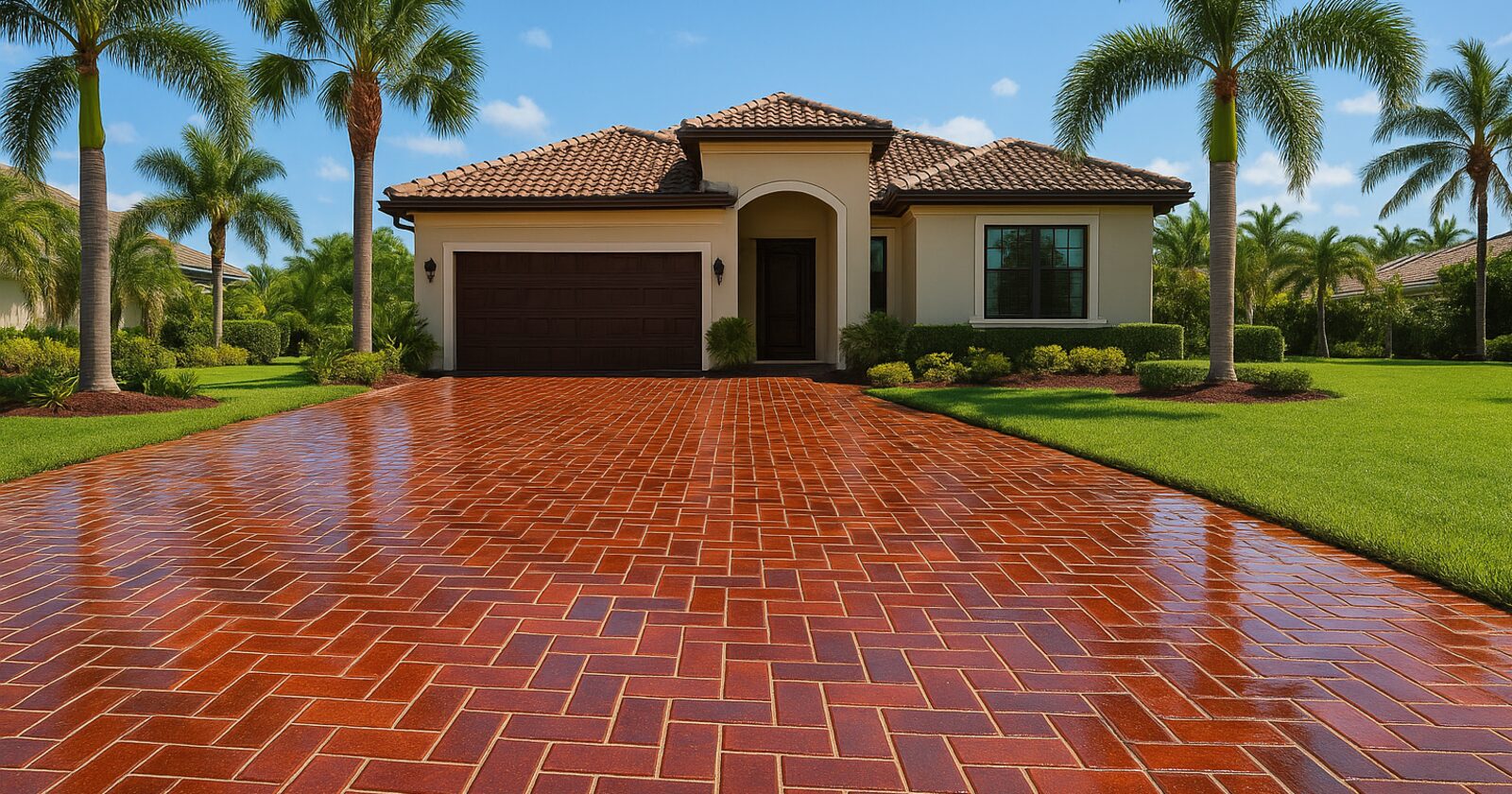
Paver Driveway Sealing
Clean, re-sand, and seal your paver driveway so the color comes back, the joints lock tight, and weeds and oil stains stop taking hold.
Learn more →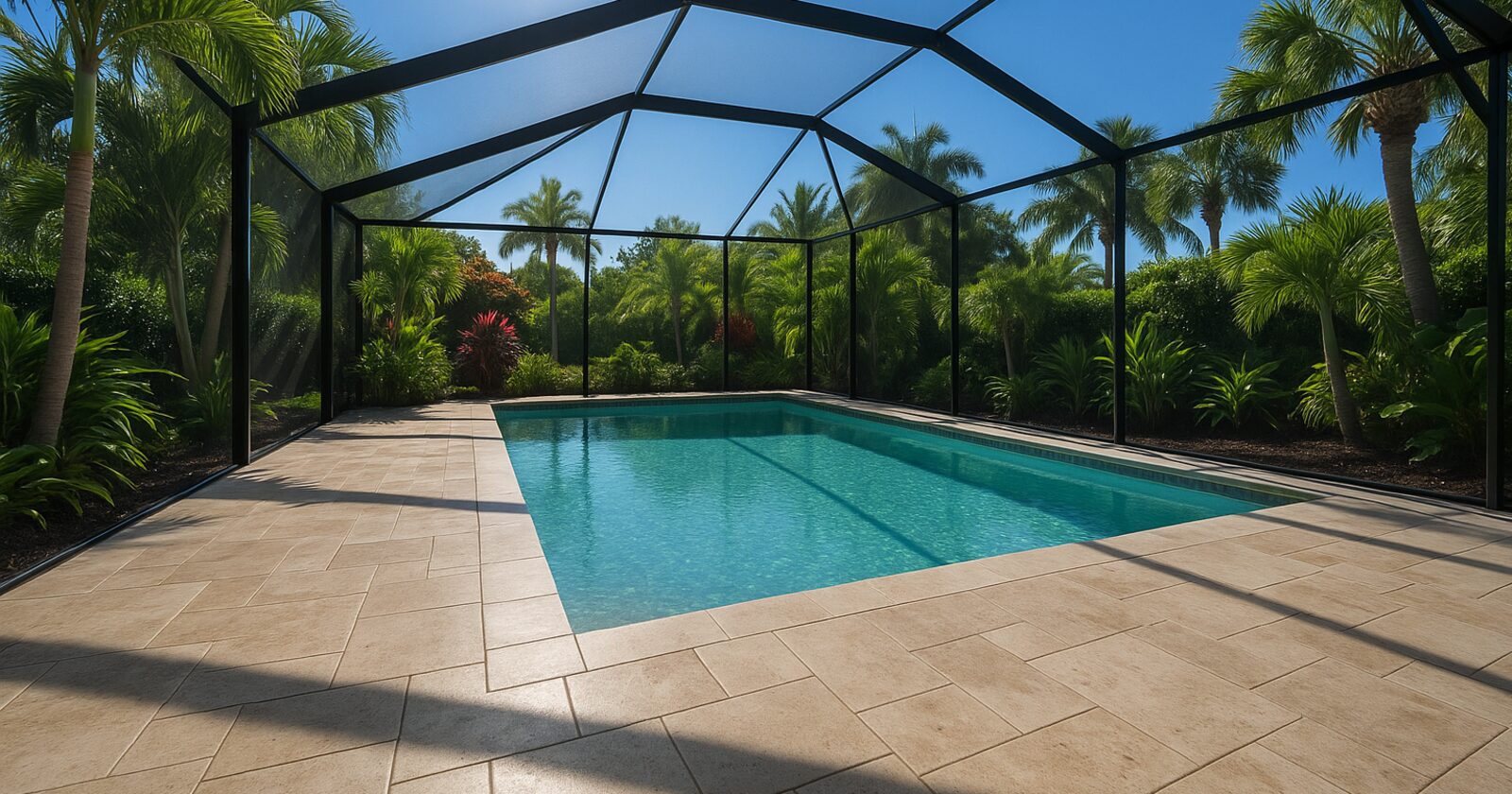
Pool Deck & Lanai Paver Sealing
Seal the pavers around your pool and lanai to stop algae, cut slip risk, and keep the deck cool and clean under bare feet.
Learn more →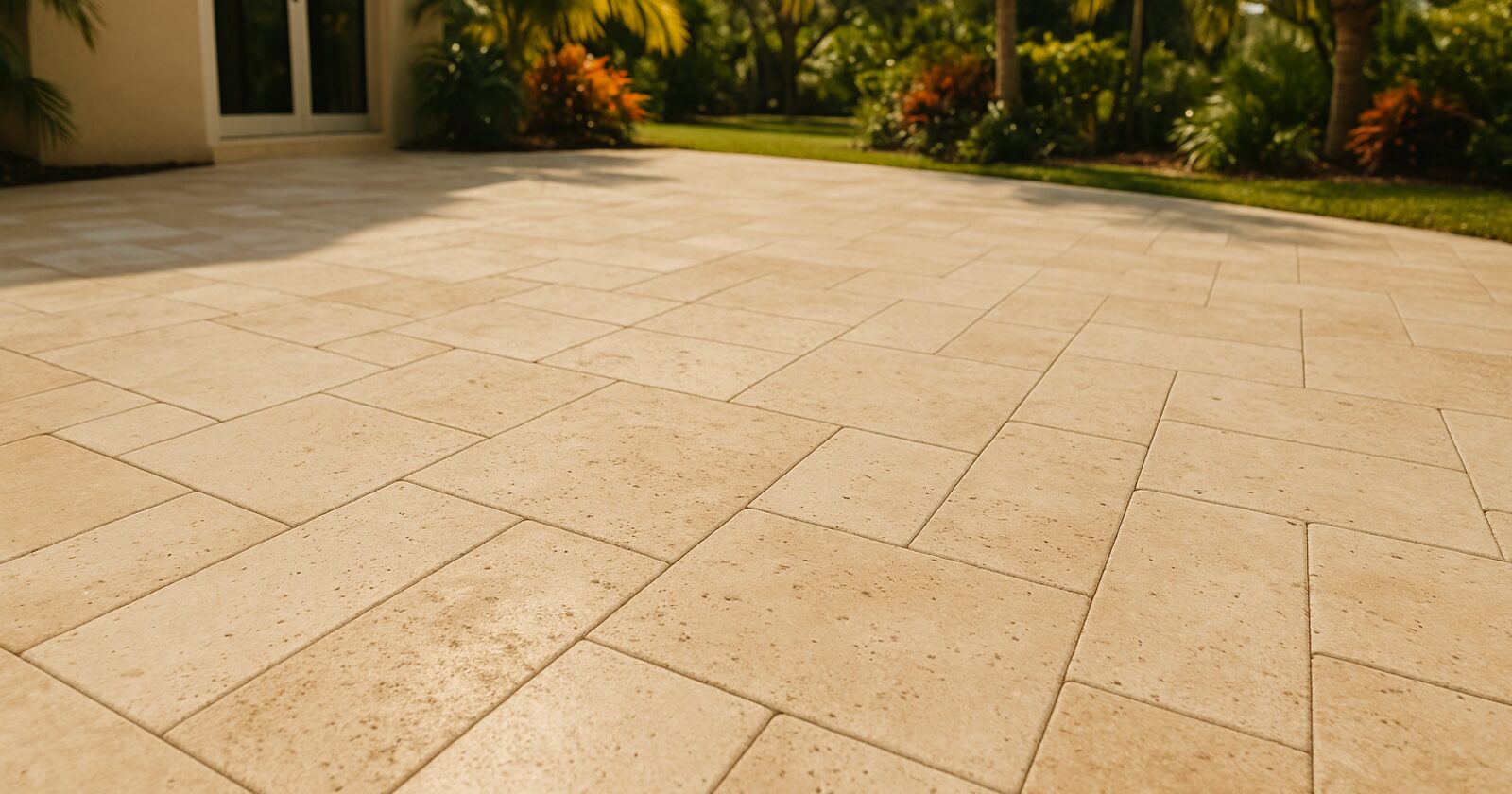
Travertine Cleaning & Sealing
Specialized cleaning and sealing for travertine pool decks and patios that protects the stone without making it slick.
Learn more →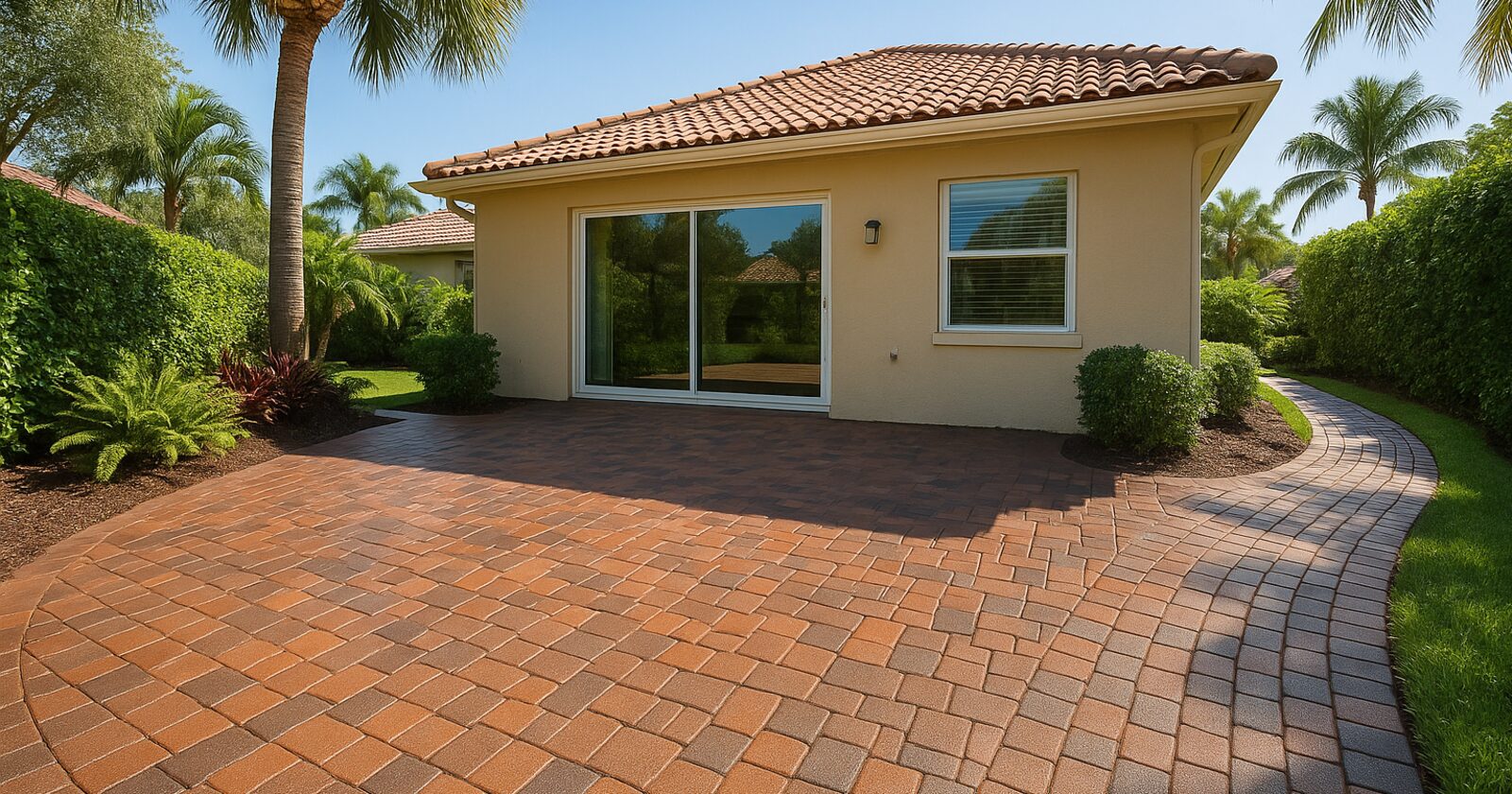
Paver Restoration & Re-Sanding
Bring a tired, weedy, or sunken paver surface back to life with re-sanding, minor releveling, and a fresh seal.
Learn more →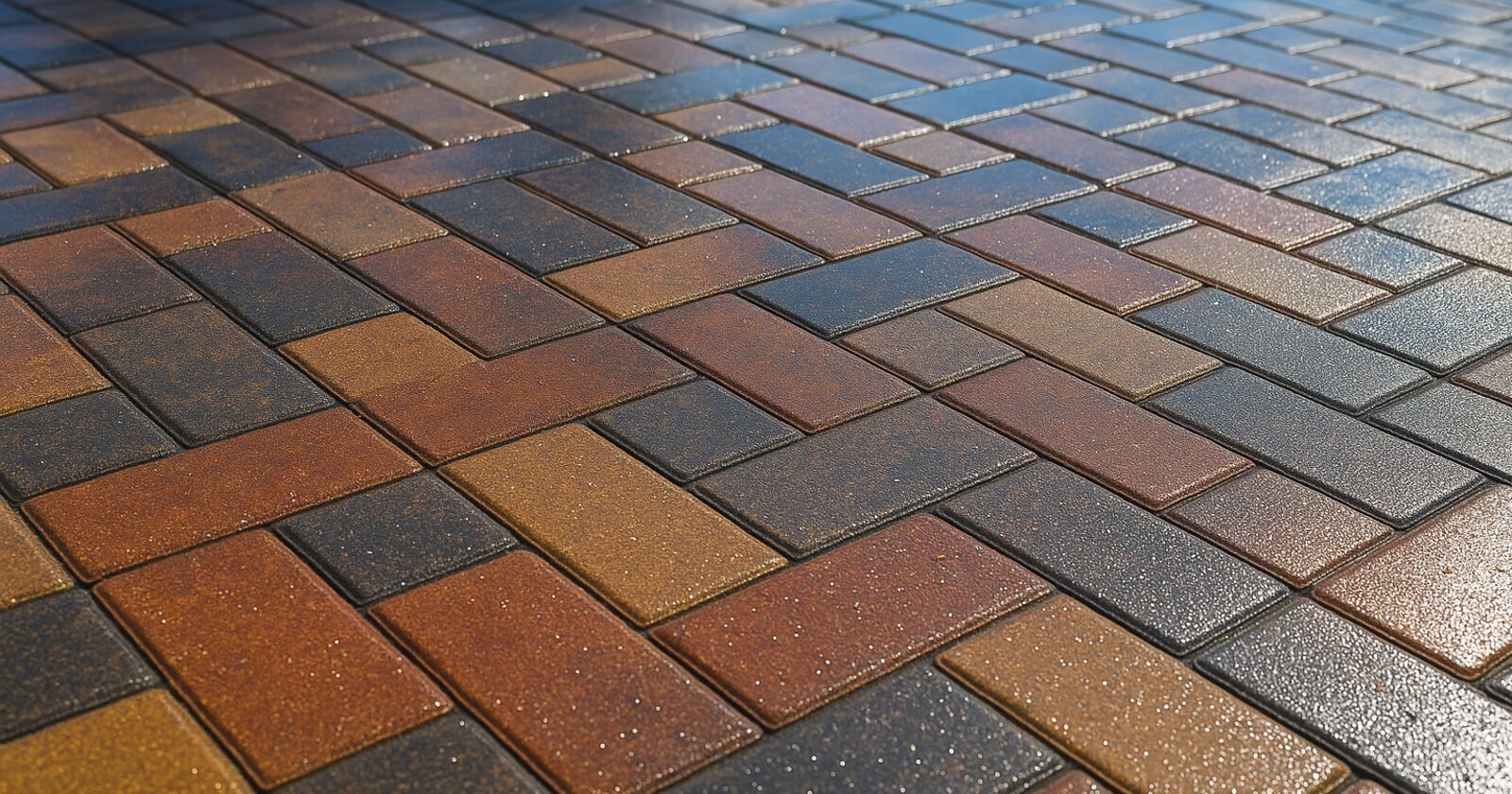
Paver Cleaning & Pressure Washing
Professional cleaning that safely strips mold, algae, rust, and grime from pavers without blasting the joint sand out.
Learn more →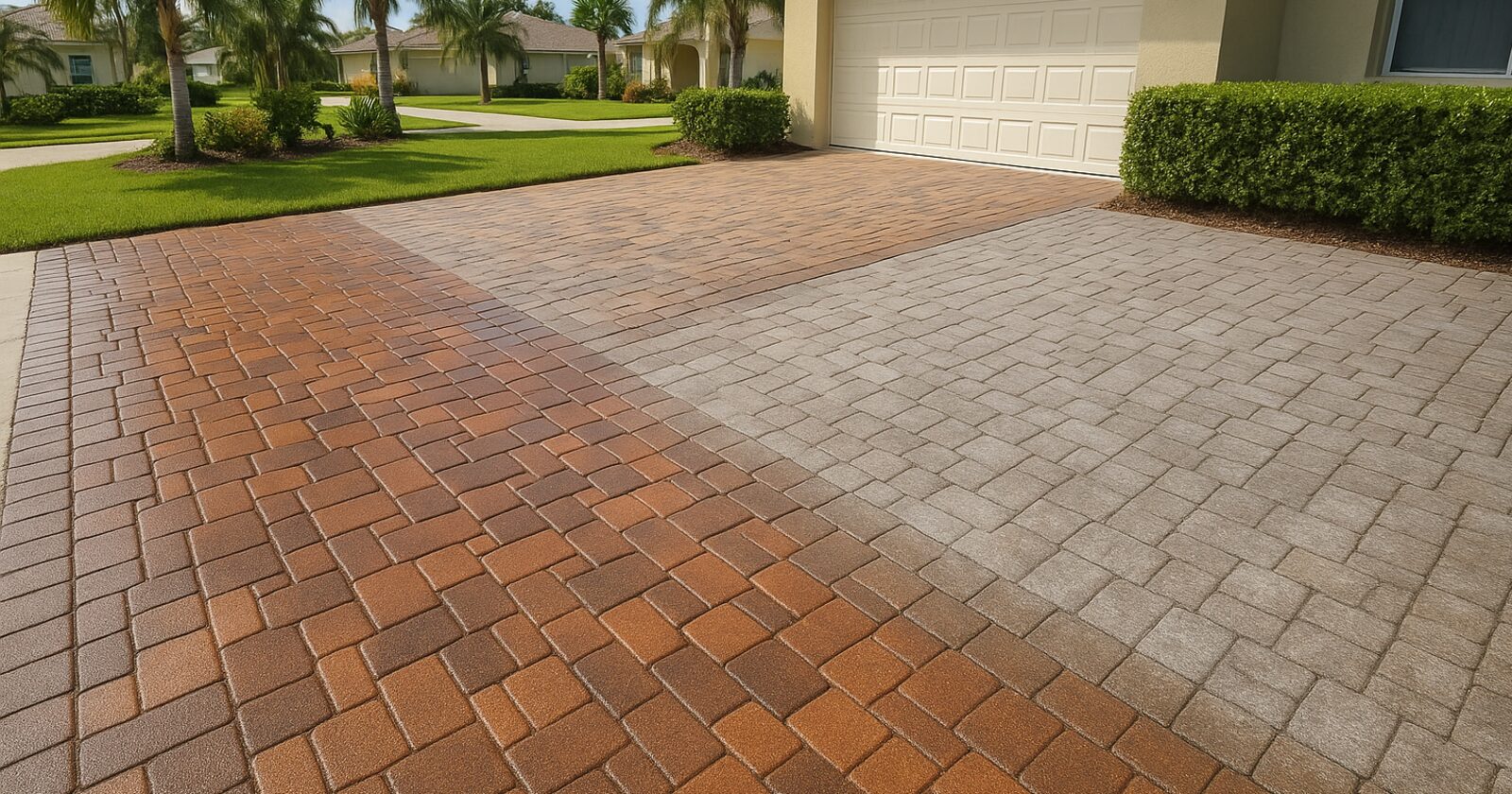
Sealer Stripping & Re-Seal
Remove old, failed, cloudy, or peeling sealer and start fresh with a clean, correctly applied coat.
Learn more →Answers
Paver sealing questions in Venice
How often should I have my pool deck pavers sealed in Venice?
My driveway pavers on the island have white chalky deposits on them. What is causing that and can it be fixed?
The joints between my pavers are crumbling and the sand is washing away. Is that a sealing problem or something deeper?
Can you restore older brick pavers on homes in the original Venice island neighborhood?
I had my pavers sealed a couple of years ago and now there is a milky haze across parts of the surface. What happened and what can be done?
Do you work in the newer planned communities on the Venice mainland, like Gran Paradiso or Venetian Golf?
Get started
Request a free quote
Tell us what you need. No pressure, and a real person gets right back to you.